
Most asphalt shingle roofs need to be replaced every 15 to 30 years. A basic 3-tab roof usually lasts closer to 15-20 years, while architectural shingles can last closer to 25-30 years when they are installed well and properly ventilated.
That number can shift depending on the material, installation quality, attic ventilation, storm exposure, and how quickly small leaks or flashing problems get handled. Age matters, but condition matters more.
What Determines Your Roof’s Lifespan
The life expectancy of your roof isn’t just about the calendar. Some roofs hit 30 years and still look decent. Others barely make it to 15 before they’re crying for help.
Roofing Material Matters
Different materials age at different rates:
| Material | Typical Lifespan |
| 3-tab asphalt shingles | 15-30 years |
| Architectural asphalt shingles | 25-30 years |
| Metal roofing | 40-70 years |
| Slate roofing | 75-100+ years |
Asphalt shingles are the most common roofing material in America, and for good reason. They’re affordable, reliable, and get the job done. But they won’t last as long as metal or slate.
Installation Quality Changes Everything
A roof is only as good as the person who installed it. Poor installation can cut your roof’s life in half. We’re talking about improper nailing, missing underlayment, or shortcuts that save a few hours but cost you thousands later.
The Federal Emergency Management Agency (FEMA) provides guidelines on proper roof installation techniques that help structures withstand severe weather, which your roofing contractor should follow to maximize your roof’s lifespan.
Weather Takes Its Toll
Constant exposure to harsh weather conditions accelerates aging. If you live somewhere with extreme temperatures, major storms, or brutal UV rays beating down all summer, your roof ages faster.
New Jersey roofs deal with freeze-thaw cycles, summer heat, heavy rain, wind, humidity, and the occasional coastal storm. Those conditions can wear down shingles, loosen flashing, and expose ventilation problems faster than age alone would suggest.
Warning Signs Your Roof Needs Replacement
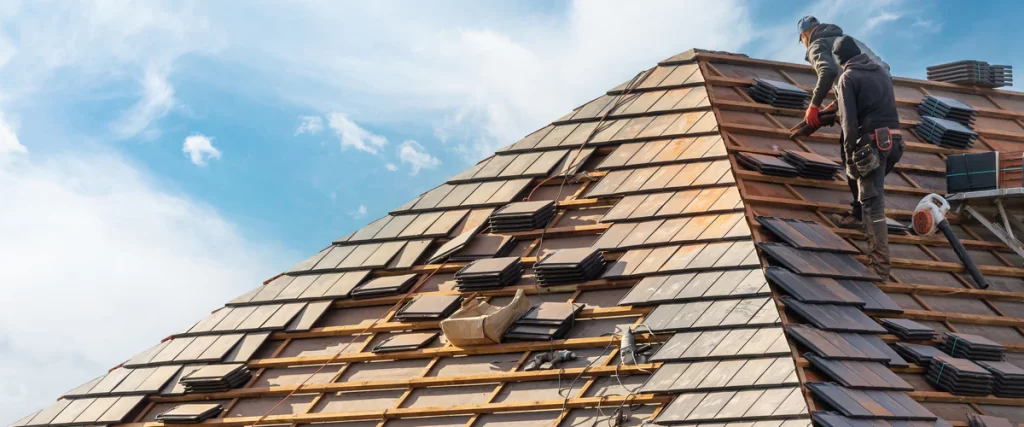
You don’t need to wait for roof leaks to know something’s wrong. Your roof will tell you when it’s struggling.
Missing shingles are an obvious red flag. If you see bare patches after a storm, that’s your roof waving a white flag. One or two missing shingles might just need roof repair, but if you’re losing them regularly, you’re looking at a bigger problem.
Cracked shingles or shingle damage show up as your roof ages. Shingles get brittle over time, especially from UV rays and temperature swings. Walk around your house and look up. Do the shingles look curled, cupped, or cracked? That’s wear and tear catching up.
Check your attic for water stains on the roof deck or wood decking. Brown spots or streaks mean water’s getting through. Even small active leaks can cause serious interior damage if ignored.
Algae growth appears as dark streaks on your roof. While it’s mostly cosmetic at first, it can eventually damage your shingles and reduce energy efficiency. Some insurance companies won’t cover algae-related damage if you haven’t maintained your roof properly.
Here’s something people overlook: look at your roof boards and the roof’s integrity from the ground. Does your roof sag anywhere? That indicates structural concerns that need immediate attention.
When Roof Repair Isn’t Enough
Sometimes a roof repair will buy you a few more years. Other times, you’re just throwing money at a problem that keeps coming back.
If your roof is approaching or past its expected lifespan, repairs become expensive bandaids. You fix one leak, another pops up six months later. The cycle repeats until you’ve spent enough on repairs to have paid for a significant chunk of a new roof.
Storm damage can be tricky. Your homeowners’ insurance might cover repairs, but if the damage is widespread, a full roof replacement makes more sense. A professional roof inspection will tell you whether you’re dealing with isolated damage or something that compromises the entire roof.
When you have two roofs layered on top of each other (something older homes sometimes have), adding a third layer isn’t an option. The excessive weight stresses your home’s structure. You’ll need a complete roof replacement that strips everything down and starts fresh.
The Inspection Process
A professional roof inspection catches problems before they become disasters. Most roofing professionals recommend getting your roof inspected every 3-5 years, or after any major storm.
During a roofing contractor’s inspection, they’ll check:
- Shingle condition: Looking for cracks, curling, or granule loss
- Flashing: Metal flashing around chimneys, vents, and pipe boots keeps water out
- Ventilation: Proper ventilation prevents moisture buildup and extends roof life
- Structural integrity: Making sure nothing’s sagging or rotting
Some insurance companies require regular maintenance and professional inspections to maintain coverage. Keep records of your inspections and any roof maintenance you do.
Maintenance Tips to Extend Your Roof’s Life
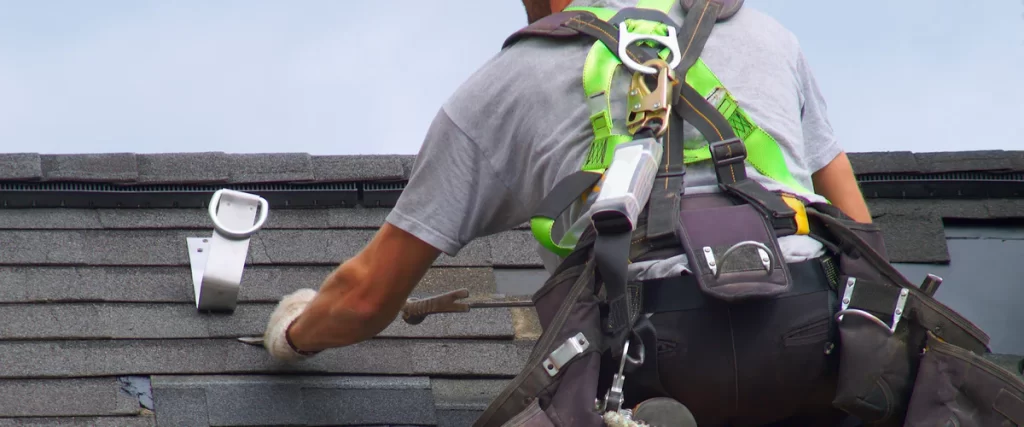
Regular maintenance can add years to your roof. Here’s what actually helps:
Keep those tree branches trimmed back. Branches scraping your roof wear down shingles and can puncture your waterproof seal during storms.
Clean your gutters. Clogged gutters cause water to back up under your shingles, leading to roof damage and insulation damage.
Remove debris with a soft brush. Don’t use a pressure washer; it damages shingles.
After extreme weather, do a quick visual check. Better to catch problems early than discover water damage months later.
The Cost of Waiting Too Long
I get it. A new roof is expensive. But waiting too long costs even more.
When minor issues become major ones, you’re not just replacing shingles anymore. You’re dealing with rotted wood decking, damaged insulation, water-stained ceilings, and potentially mold. Those expensive repairs add up fast.
An aging roof also kills your energy efficiency. Air leaks and poor insulation make your HVAC work overtime, raising your utility bills month after month.
Frequently Asked Questions
Can I just replace part of my roof?
Sometimes, yes. If damage is localized and your roof is relatively young, partial replacement works. But if your roof is old or damage is widespread, partial fixes often lead to mismatched shingles and recurring problems.
Will my home insurance cover a new roof?
It depends on why you need it. Sudden storm damage? Probably yes. Normal wear and tear or lack of roof maintenance? Probably no. Review your policy and document everything.
How long does roof installation take?
Most residential roofs take 1-3 days for a complete roof replacement, depending on size and complexity. The weather can delay things.
Should I get multiple quotes?
Absolutely. Talk to several roofing companies, but don’t just pick the cheapest. Look for a reputable company with proper licensing, insurance, and good reviews. Quality installation matters more than saving a few hundred bucks.
What’s the best time of year to replace your roof?
Late spring through early fall offers the best weather. But if you need it done urgently, a good roofing professional can work in most conditions.
Let Us Handle It
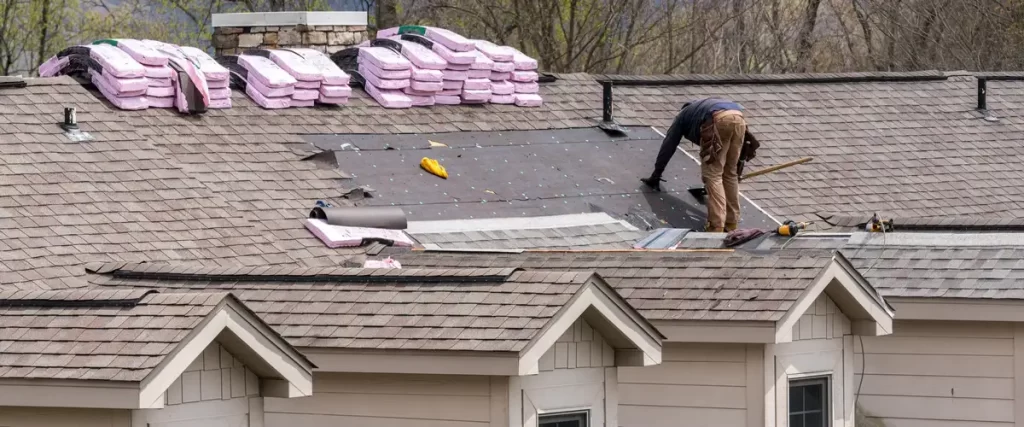
Look, after reading all this, you might be thinking, “This sounds like a headache.” And you’re right. Climbing ladders, inspecting shingles, worrying about whether that stain means your roof deck is rotting, who needs that stress?
That’s why we exist. At Braga Buildings, we handle roof replacement job so you don’t have to become a roofing expert overnight. We’ll inspect your current roof, give you an honest assessment, and if it’s time for a full replacement, we’ll get it done right.
Ready to find out what your roof really needs? Call us at (732) 888-3892 or message us here and we’ll schedule a professional inspection. Your roof keeps you dry, let us make sure it keeps doing its job for years to come.
For more information about our roof replacement services, check out our roof replacement page.