
A storm rips through, your roof takes damage, and now you’re supposed to navigate insurance paperwork like you do this every day. You don’t.
Filing a roof insurance claim in New Jersey means dealing with adjusters, documentation, timelines, and a claims process that feels designed to confuse you. Most homeowners go through this once, maybe twice in their lives. Insurance companies do it thousands of times a year. The playing field isn’t level.
Here’s how to file your claim, what to expect from your insurance company, and how to avoid the mistakes that get claims denied or underpaid.
How to File a Roof Insurance Claim, Step by Step
A roof insurance claim usually starts with documenting the damage, protecting the home from further water intrusion, contacting your insurance company, and scheduling an adjuster inspection.
The important part is not rushing through the first few steps. Take photos before anything changes, save receipts for temporary repairs, write down your claim number, and have a roofing contractor inspect the damage before or during the adjuster visit if possible.
Here’s the basic order:
- Take clear photos and videos of the roof damage, interior leaks, attic moisture, gutters, vents, flashing, and anything else affected.
- Make temporary repairs if needed to prevent more damage, such as tarping an exposed area or catching active leaks.
- Save receipts for temporary repairs, materials, and emergency service.
- Call your insurance company or agent and get a claim number.
- Schedule the adjuster inspection.
- Have a roofing contractor document the roof damage and provide a repair or replacement estimate.
- Review the insurance estimate carefully before approving work.
- Keep copies of photos, estimates, invoices, emails, and notes from every call.
Your insurance company decides what is covered under your policy. A roofing contractor can help document the damage, explain what repairs are needed, and make sure the roof scope is accurate.
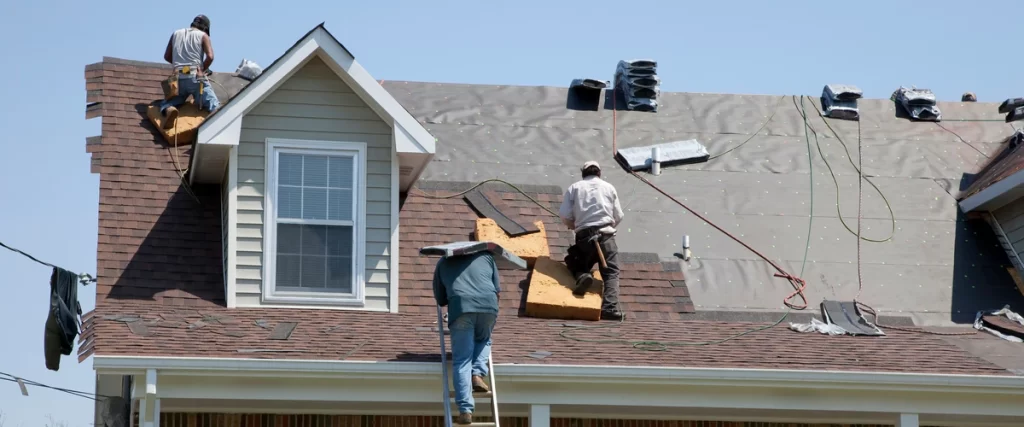
What Happens Before You Even Call Your Insurance Provider
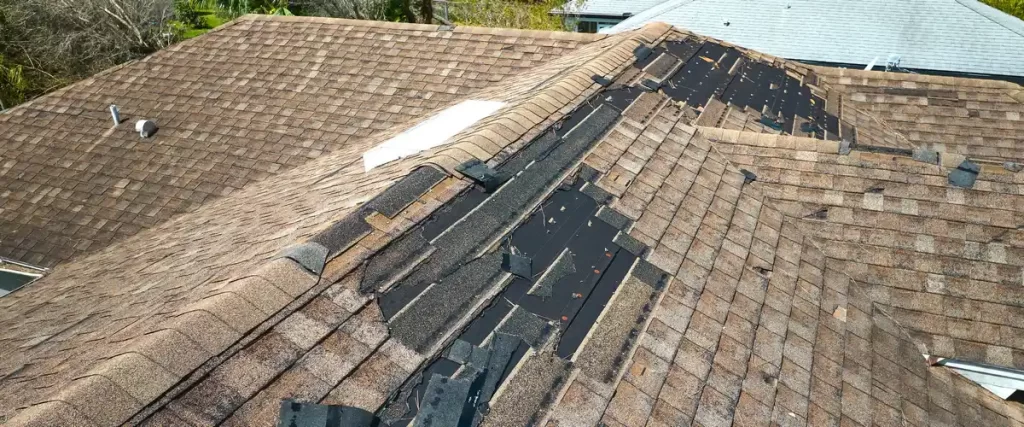
Damage happens. A tree branch punches through shingles. Hail leaves dents. Wind peels back an entire section. You’ve got visible roof damage and need to act.
Take high-quality photos immediately. Walk around your property and document everything. Get close-ups of missing shingles, damaged flashing, dents on vents. Capture wide shots that show the scope. Take photos of water stains inside your home if you’ve got visible leaks. Your phone’s camera works fine. Just make sure the images are clear and show the damage obviously.
Check your attic if you can access it safely. Look for water intrusion, wet insulation, or light coming through the roof structure. Take photos of anything concerning. This documentation matters when the insurance adjuster shows up.
Make temporary repairs to prevent further damage. Tarps over exposed areas, buckets under leaks, whatever stops water from doing more harm. Save receipts. Your insurance policy typically covers reasonable costs to protect your home from additional damage while you wait for proper repairs.
What Happens After You File the Claim
Once the claim is opened, your insurance company will assign a claim number and schedule an adjuster inspection. Write the claim number down and keep it with your photos, receipts, contractor estimates, and any notes from phone calls.
The Adjuster’s Inspection
The adjuster looks at the roof damage, takes photos, and prepares an estimate based on your policy. They are there to document what the insurance company sees as covered damage, but they may not catch every roofing detail during a quick inspection.
That is why it helps to have a roofing contractor inspect the roof too. A contractor can point out storm damage, flashing issues, lifted shingles, soft decking, or related damage that may affect the repair scope.
Review the Insurance Estimate Carefully
After the inspection, the insurance company will send an estimate showing what they are prepared to pay for. Read it carefully before approving repairs.
Compare the insurance estimate with the roofing contractor’s estimate. If something important is missing, like damaged flashing, underlayment, decking, ventilation, or code-required materials, you can ask for a review and provide additional documentation.
Actual Cash Value vs. Replacement Cost (This Matters More Than You Think)
| Coverage Type | What It Pays | What You Actually Get |
| Actual Cash Value | Depreciated value of your roof based on age | A check that probably doesn’t cover full repairs |
| Replacement Cost | Full cost to replace damaged materials with new materials | Enough money to actually fix your roof properly |
Most homeowners assume their policy covers replacement. Many policies actually pay actual cash value first, then reimburse the depreciated amount after repairs are completed. This means you might get a check for $8,000 initially when the roof repair actually costs $15,000. You pay the difference, complete the repairs, then submit proof to get the remaining $7,000.
Read your insurance policy before damage happens. Know your coverage limits, your deductible amount, and whether you have replacement cost or actual cash value coverage. The New Jersey Department of Banking and Insurance offers resources explaining homeowners insurance coverage if you need help understanding your policy.
Common Mistakes That Mess Up Claims
Waiting too long to file. Storm damage gets worse. Water finds every entry point. What starts as minor issues becomes structural damage. File your claim promptly after discovering damage.
Not documenting everything. No photos means no proof. Insurance companies want documentation. Give them detailed photos, written reports from contractors, and anything else that shows the extent of damage.
Skipping the contractor inspection. Your insurance adjuster isn’t a roofing expert. Contractors are. They spot hail damage, wind damage, and structural issues that adjusters miss. Get a free inspection from a roofing contractor before the adjuster arrives.
Accepting the first offer without question. The adjuster’s estimate might lowball the damage. If your contractor’s estimate is significantly higher and backed by inspection reports, challenge it. You’re entitled to proper repairs, not partial fixes.
Delaying repairs. Some homeowners get their check and wait months to schedule repairs. Your policy requires you to protect your home from further damage. Leaving your home vulnerable after getting paid can affect future claims or even constitute insurance fraud if you’re claiming ongoing damage you didn’t fix.
What Your Insurance Actually Covers (And What It Doesn’t)
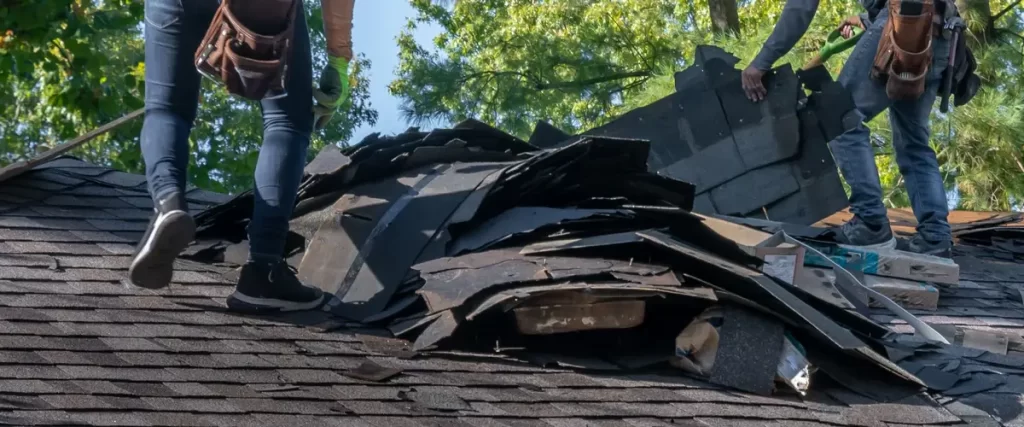
Your homeowners’ insurance covers sudden, accidental damage. Storm damage, hail damage, wind damage, and falling trees. These trigger coverage.
What doesn’t get covered:
- Wear and tear from age
- Damage from lack of regular roof maintenance
- Pre-existing issues that existed before you filed
- Cosmetic damage that doesn’t affect function
Insurance companies investigate. If they determine your damaged roof resulted from neglect rather than a covered event, they’ll deny the claim. Regular inspections and maintenance records help prove you took care of your roof properly.
Why Roofing Contractors Matter in This Process
Professional roofing contractors understand insurance claims. They’ve worked with every major insurance provider. They know what documentation adjusters need, how to spot all damage during inspections, and what repair estimates should actually include.
Contractors provide written reports, detailed photos, and expert guidance through the claims process. They can attend the adjuster’s inspection, submit supplemental documentation when estimates come in low, and help you understand what repairs your roof actually needs versus what the insurance company wants to pay for.
Some contractors even offer to work directly with your insurance company. They handle the back-and-forth, submit proper documentation, and advocate for accurate estimates that cover the full cost of necessary repairs.
Questions People Ask After Storm Damage
How long does the insurance claims process take?
Anywhere from two weeks to several months. Simple claims with clear damage and no disputes move faster. Claims involving significant roof damage, structural concerns, or disagreements about coverage take longer. Your insurance company should provide updates throughout. If they’re not communicating, call them. Document every conversation.
Can I choose my own roofing contractor?
Yes. Your insurance policy can’t force you to use a specific contractor. Some insurance companies suggest contractors they work with regularly. You’re free to get estimates from multiple roofing contractors and choose whoever you trust. Just make sure whoever you pick is licensed, insured, and experienced with insurance claims in New Jersey.
What if my claim gets denied?
Read the denial letter carefully. It explains why coverage was denied. If you disagree, you can appeal with additional documentation. Hire a public adjuster or attorney if the claim is substantial and you believe the denial is wrong. Sometimes a second inspection reveals damage the first adjuster missed, giving you grounds for reconsideration.
Should I pay my deductible before repairs start?
Your contractor typically collects the deductible when work begins. Some contractors offer to waive deductibles or cover them. This violates insurance agreements and can constitute fraud. Pay your deductible as outlined in your policy. Contractors who suggest otherwise are creating legal problems for you.
Need Help Documenting Roof Damage?
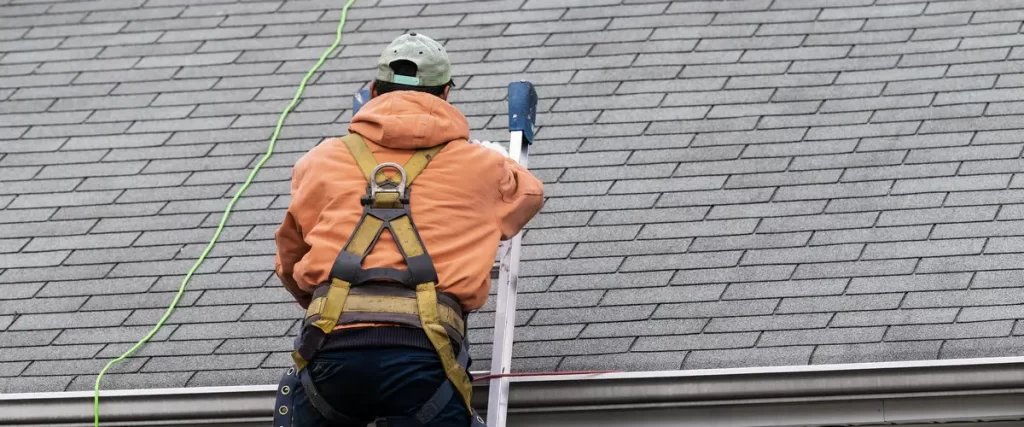
Braga Brothers can inspect the damage, take clear photos, provide a repair or replacement estimate, and meet with the adjuster when needed. We cannot decide what your policy covers, but we can make sure the roofing side is properly documented and explained.
And then we can complete the repairs or replacement properly so your roof functions the way it should.
Call us at (732) 888-3892 or message us here. We’ll inspect your roof, help you file your claim, and handle the process so you’re not figuring it out alone.
Your insurance policy exists to protect your home. Let’s make sure it actually does that when you need it.