
A roof leak during heavy rain means water has already found a weak point in the roofing system. The first priority is not finding the perfect repair. It is limiting the damage inside the home until the rain slows down and the roof can be inspected safely.
Do not climb onto a wet roof during a storm. Move valuables out of the way, catch the dripping water, protect the floor, and turn off power to the room if water is near outlets, light fixtures, or wiring.

What to Do First When Your Roof Leaks in Heavy Rain
Start with these steps:
- Move furniture, electronics, rugs, and valuables away from the leak.
- Place a bucket or container under active dripping.
- Use towels or plastic sheeting to protect floors and walls.
- If the ceiling is bulging, carefully puncture the lowest point so the water drains into a bucket instead of collapsing the drywall.
- Turn off electricity to the affected room if water is near anything electrical.
- Take photos and videos of the leak, ceiling stains, attic moisture, and any visible roof damage.
- Wait until the rain slows or stops before checking the roof from outside.
Once the inside is under control, the goal is to find the source and arrange a proper repair. A tarp or temporary patch may slow the leak, but it will not fix the reason water got in.
What You Can Do Outside (If It’s Safe)
Do not climb on your roof during a storm. Wet surfaces are slippery. Severe weather creates wind gusts. Lightning happens. You falling off your roof creates a bigger emergency than the leak itself.
If the rain has lightened and you can access your roof safely with proper safety gear, look for obvious problems. Missing shingles. Visible cracks. Storm debris covering areas where water might be pooling. Sometimes, a quick visual inspection from the ground with binoculars tells you enough.
Temporary Fixes That Actually Work
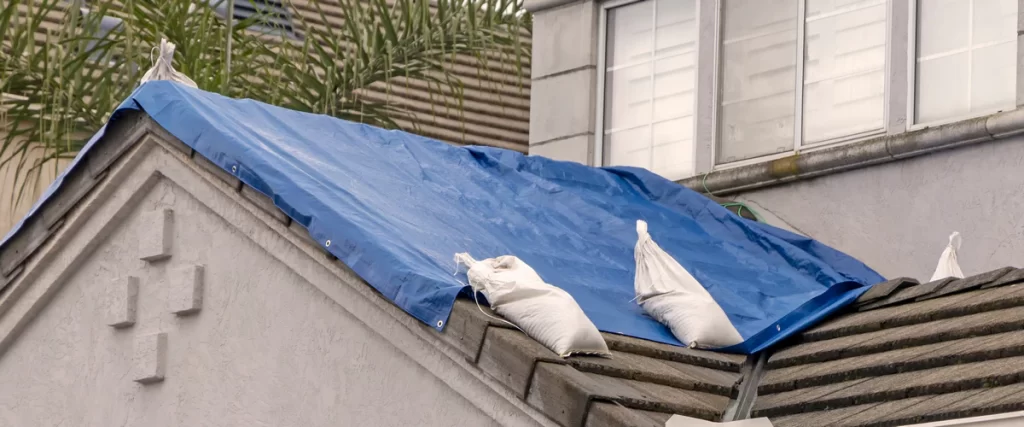
A heavy-duty tarp can stop water intrusion until professional help arrives. You need a tarp that extends several inches past the damaged area on all sides. Weight it down with boards or sandbags, not bricks that can damage shingles further.
Roofing cement works for small cracks in flashing or around vents. It’s a temporary fix but buys you time. Apply it when surfaces are dry, which means waiting until the rain stops.
For missing or cracked shingles, you can slide a piece of sheet metal or heavy plastic under the surrounding shingles to redirect water. This stops the immediate leak but requires permanent repairs soon.
Why Your Roof Started Leaking (And Why It Picked Today)
| Common Cause | Why It Happens | What Fixes It |
| Missing Shingles | Wind lifted them off during the storm | Replace shingles, check surrounding area |
| Cracked Flashing | Age, improper installation, or impact damage | Replace flashing, reseal properly |
| Clogged Gutters | Debris backup causes water to pool and seep under shingles | Clean gutters, fix any roof damage from overflow |
| Valley Problems | Improper valley flashing or deteriorated sealant | Replace valley flashing, ensure proper water flow |
| Roof Valleys Failure | Heavy rain overwhelms compromised valleys | Rebuild valley system with proper materials |
| Age and Wear | Asphalt shingles past their lifespan just fail | Extensive repairs or total roof replacement |
Most roof leaks don’t start during the storm. They were already there, hidden under dry conditions. Heavy rain just exposes what wasn’t working.
After the Rain Stops
Walk your property. Look for water stains on ceilings and walls inside. Check your attic for wet insulation or standing water. Document everything with photos.
Inspect your roof from the ground. Look for obvious damage like missing shingles, displaced flashing, or areas where storm debris hit. If you can safely access your roof, check around vents, chimneys, and roof valleys where leaks commonly develop.
Call for professional help before the next storm. A quick patch might stop today’s leak, but small leaks left untreated become major water damage. The Federal Emergency Management Agency recommends annual inspections and immediate repairs after severe weather to prevent future leaks and maintain your home’s structural integrity.
Clean gutters if they’re full of debris. Your gutter system is what moves water off the roofline; when it backs up, water can push under shingles and create leak risk that worsens with each rain.
Before the Next Storm, Get the Leak Source Checked
Once the rain stops and the inside damage is under control, the next step is finding where the water actually entered. A roofer should check the attic, wet insulation, roof decking, missing shingles, flashing, valleys, vents, chimneys, and gutter backup before quoting the repair.
That matters because the price depends on the cause. A single missing shingle is very different from failed flashing, a valley leak, soft decking, or an older roof with multiple weak points. Photos of the ceiling stain, attic moisture, and exterior damage also help document what happened if insurance becomes part of the conversation.
Braga Brothers Roofing can inspect the leak source, explain whether you need a targeted roof repair or a larger repair plan, and give you a clear quote before the next heavy rain.
Need a roof leak checked after heavy rain? Call Braga Brothers Roofing at (732) 888-3892 or request a quote online. If water is actively coming in, start with emergency roof repair.
When a Temporary Fix Won’t Cut It
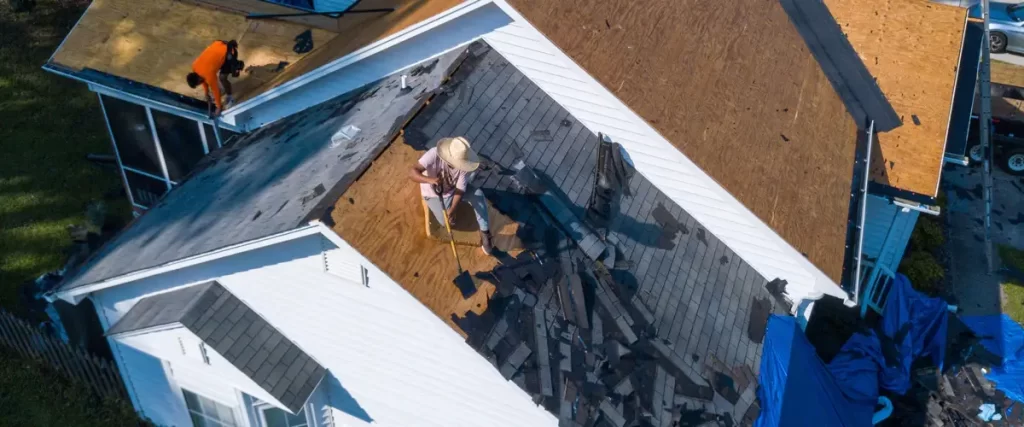
Some leaks need more than roofing cement and a tarp. If you’re dealing with multiple leak points, significant damage to roofing materials, or water intrusion that’s spread across large sections, you’re looking at extensive repairs or possibly total roof replacement.
Experienced roofers can assess whether your leaking roof needs targeted repairs or if the entire roof has reached the end of its useful life. An aging roof with multiple weak points will keep leaking no matter how many temporary fixes you apply.
If your roof is over 20 years old and showing multiple signs of failure, replacing it stops the cycle of emergency repairs every time it rains. A new roof with proper installation and quality materials prevents leaks before they start.
Questions Homeowners Ask While Standing in Puddles
Can I fix a roof leak myself?
For minor issues like a single missing shingle on a low-slope roof you can access safely, maybe. For anything involving flashing, valleys, or leaks you can’t pinpoint, call someone who does this professionally. DIY roof repairs often create more problems than they solve because finding the actual source of a leak requires experience. Water travels along roof decking and can appear inside your house several feet away from where it’s actually entering.
How fast does water damage happen?
Faster than you think. Within hours, water soaks through insulation and drywall. Within days, mold starts growing in damp areas. Within weeks, structural wood begins rotting. The longer water leaks, the more expensive the repairs become. Stop the leak, dry everything thoroughly, and address the source quickly.
Should I file an insurance claim for a roof leak?
Depends on what caused it. Storm damage typically gets covered. Wear and tear from lack of routine maintenance doesn’t. Document the damage, take photos, and contact your insurance company to find out if your specific situation qualifies. Having a professional inspection report helps support your claim.
What if the leak stops after the rain ends?
The problem didn’t fix itself. The leak stops because water stops hitting that vulnerable spot, but the opening remains. The next rain brings the same problem back. Get it fixed even if it’s not currently leaking. Waiting guarantees you’ll be dealing with this again, probably at a worse time.
How to Prevent Future Leaks (Before You’re Scrambling Again)
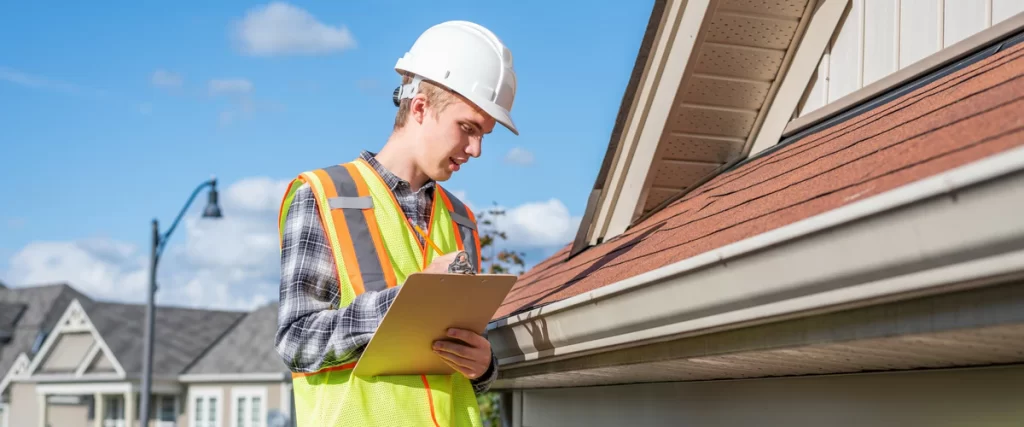
Regular maintenance catches problems before they become leaks. Annual inspections spot cracked shingles, damaged flashing, and deteriorating sealant while they’re still minor issues. Fixing them then costs hundreds instead of thousands.
Keep gutters clean. Trim tree branches that hang over your roof. Check flashing around chimneys and vents every year. Replace worn shingles before they blow off.
These simple steps prevent most emergency roof leaks. The National Roofing Contractors Association recommends inspecting your roof twice yearly, in spring and fall, to catch damage before severe weather tests your roof’s weak points.
Get a Roof Leak Repair Quote Before the Next Rain
You’ve read about tarps, roofing cement, finding leaks, climbing safely, and all the things that can go wrong. You know what’s easier? Having someone else handle it.
We repair leaking roofs across New Jersey. We respond to emergency calls, stop active leaks, and schedule permanent repairs that actually fix the problem. You get experienced roofers who know where leaks hide, what causes them, and how to prevent future leaks without just slapping patches on and hoping.
Call us at (732) 888-3892 or message us here. We’ll inspect your roof, find the leak source, and give you options that make sense for your situation and budget.
Our roof repair services handle everything from single shingle replacement to complete valley rebuilds. We’ve seen every type of leak, worked through every weather condition, and fixed roofs that other contractors said needed total replacement.
Your roof keeps everything inside dry. When it stops doing that job, we get it working again. Standing in the rain with a bucket isn’t a long-term strategy.