
Roofing materials have gotten weird. Solar shingles that generate electricity. Metal panels that reflect heat. Smart roofing systems that monitor themselves. Meanwhile, traditional asphalt shingles still cover most homes because they work and don’t cost a fortune.
The best roofing material in 2026 depends on what you actually need. Energy efficiency matters if you’re tired of high cooling costs. Longevity matters if you never want to think about your roof again. Cost effectiveness matters if you’re paying for this yourself and don’t have unlimited money. Aesthetic appeal matters because you have to look at your roof every day and so do your neighbors.
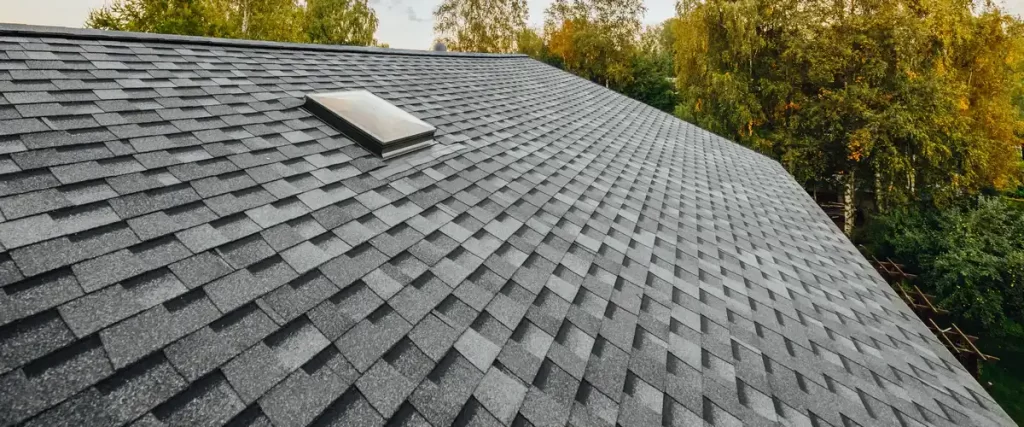
Here’s what works, what’s overhyped, and what you should actually consider when replacing your roof.
What Makes a Roofing Material “Good” Anymore
Energy efficiency used to be a nice bonus. Now it’s a primary concern. The Department of Energy reports that roofs account for significant heat transfer in homes, making material selection a key factor in energy costs. Cool roof technology reflects solar heat instead of absorbing it, keeping indoor temperatures lower and reducing energy consumption.
Durability matters more as severe weather becomes standard. Your roof needs to handle extreme temperatures, high winds, and whatever else the climate throws at it. Homeowners seeking longevity want materials that last 30-50 years minimum.
Sustainability enters the conversation, too. Landfill waste from roof replacement is massive. Recyclable materials and eco-friendly options appeal to people who care about environmental impact and sustainability beyond just their own house.
And you still need something that looks decent. Curb appeal affects property value. The right roofing material matches your home’s style while delivering performance.
Traditional Asphalt Shingles: Still Dominating for a Reason
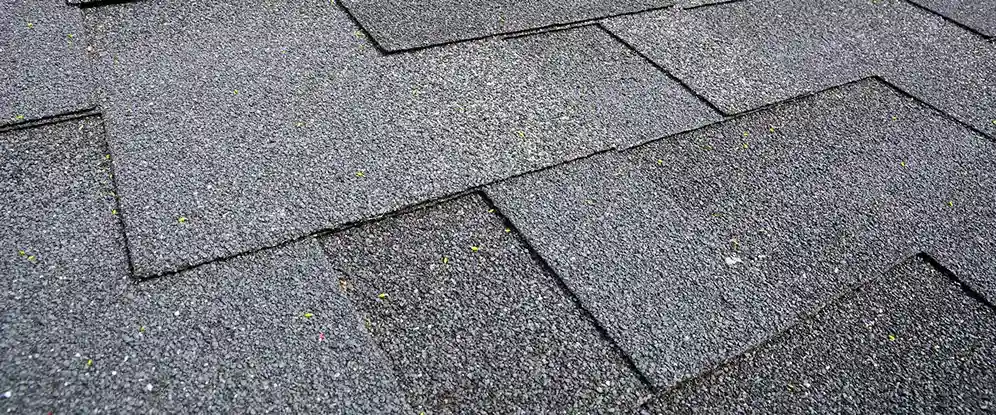
Upfront cost: $3-$5 per square foot installed
Lifespan: 15-30 years, depending on quality
Energy efficiency: Average with reflective coatings
Asphalt shingles work. They come in colors that match any house. Professional installation is straightforward. They handle most weather conditions acceptably. When something goes wrong, repairs cost less than with specialized materials.
Architectural shingles offer better aesthetic appeal and longer life than basic three-tab shingles. They’re thicker, more dimensional, and look closer to traditional materials like wood or slate without the maintenance headaches.
The downsides are real. Heat absorption is high without reflective coatings. Lifespan is shorter than premium options. Impact resistance varies by quality level. And they’re not particularly eco friendly, though some manufacturers now use recyclable materials.
For most homeowners balancing cost effectiveness with decent performance, traditional shingles still make sense.
Metal Roofing: The Long-Term Play
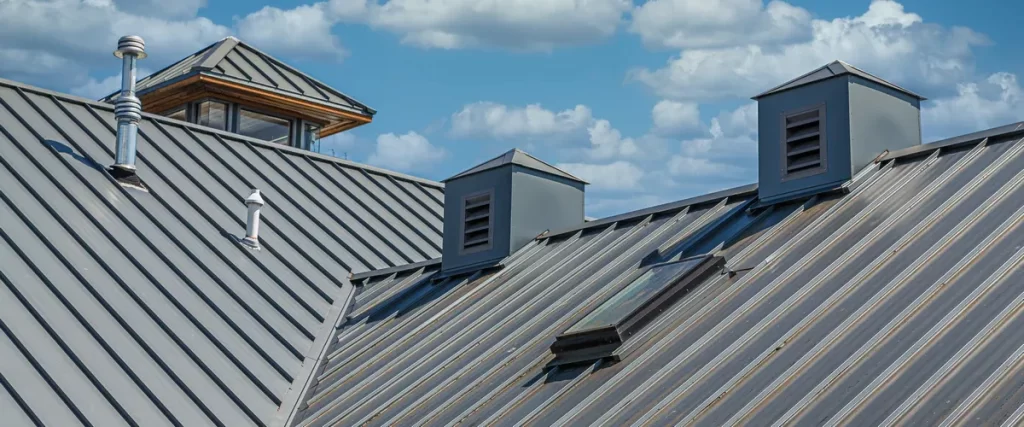
Upfront cost: $7-$12 per square foot installed
Lifespan: 40-70 years
Energy efficiency: Excellent with proper coatings
Metal roofing lasts longer than almost anything else. It reflects solar heat, lowering utility bills. It’s extremely durable against severe weather. It requires minimal maintenance. And it’s made from recyclable materials.
Metal panels come in standing seam styles or products that mimic shingles for better aesthetic appeal. You can get them to look like traditional roofing if you’re worried about curb appeal.
The challenges are upfront cost and noise. Initial installation costs run double what asphalt costs. Some people hate the sound of rain on metal, though insulation helps. And depending on your roof’s pitch, metal might not work without additional structural support.
Homeowners planning to stay in their house for decades benefit most from metal roofing. The energy savings and longevity offset the higher initial price over time.
Solar Roofing: Still Figuring Itself Out
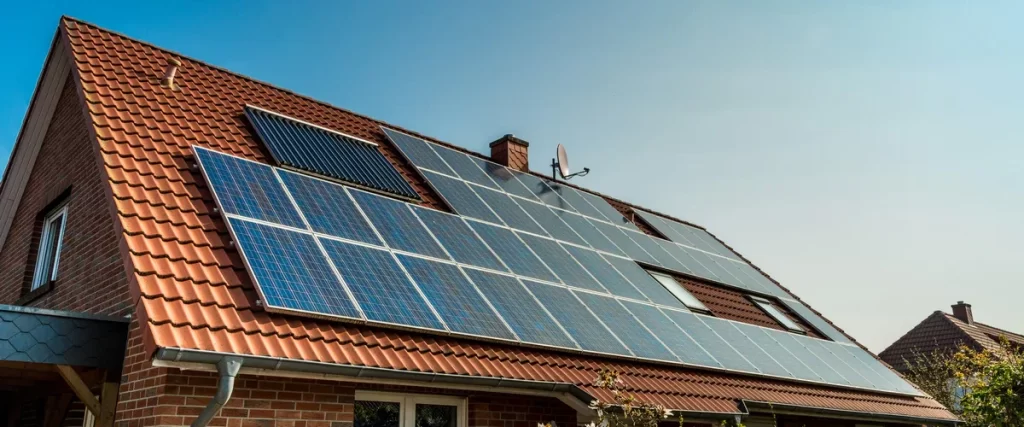
Upfront cost: $20-$30+ per square foot installed
Lifespan: 25-30 years
Energy efficiency: You’re generating power, so technically infinite
Solar shingles integrate photovoltaic cells directly into roofing shingles. They generate electricity while protecting your house. No bulky panels. Cleaner aesthetic than traditional solar panels bolted onto your roof.
The technology improved significantly since early versions. Modern solar roofing systems produce meaningful power and qualify for federal tax credits. They work on most roof types and can connect to battery storage.
But the cost remains prohibitive for most people. You’re paying for a roof and a power generation system simultaneously. The payback period stretches years, sometimes decades, depending on your electricity rates and sun exposure. And expert installation is mandatory, limiting your contractor options.
Solar roofing makes sense if you’re already replacing your roof, have excellent sun exposure, live somewhere with high energy costs, and can afford the upfront investment. For everyone else, traditional solar panels on a regular roof deliver better cost-effectiveness.
The Other Options Worth Knowing About
Clay and Concrete Tiles
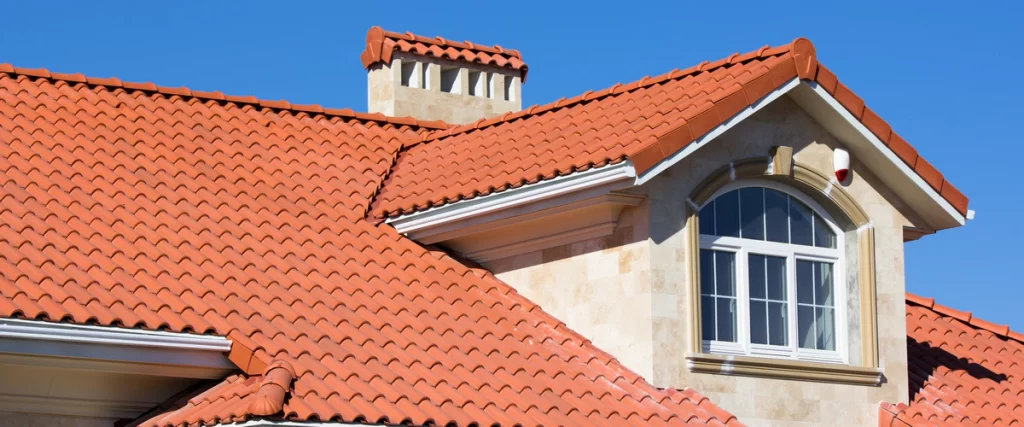
Beautiful. Extremely durable. Fire resistant. Common in southwestern architecture. They last 50+ years and improve energy efficiency through their thermal mass properties.
The problems are weight and cost. Tile roofing requires additional structural support most homes don’t have. Initial installation costs rival metal. And if tiles crack, replacement is expensive.
Composite Shingles
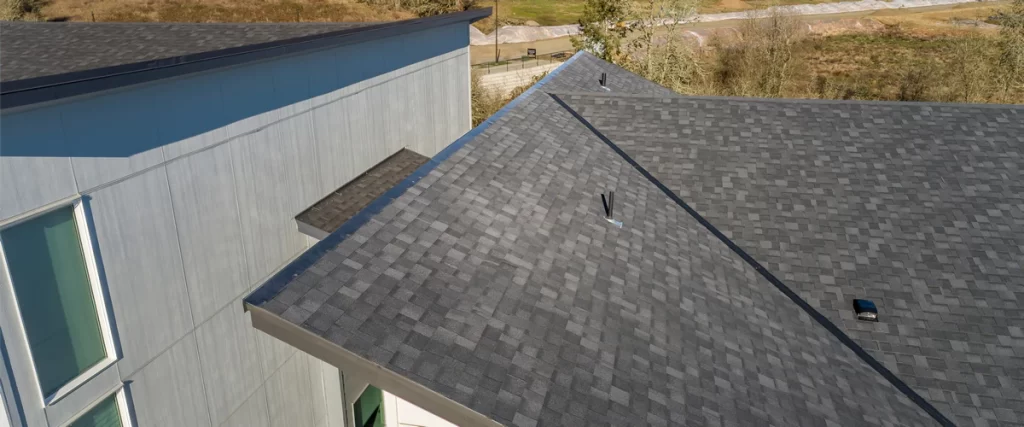
These mimic the look of slate, wood, or tile using synthetic materials. They’re lighter than the real thing, cost less, and require low maintenance. Energy efficient materials with good impact resistance.
The trade-off is durability. They don’t last as long as the materials they imitate. And some composite products degrade faster than advertised in extreme temperatures.
Green Roofs
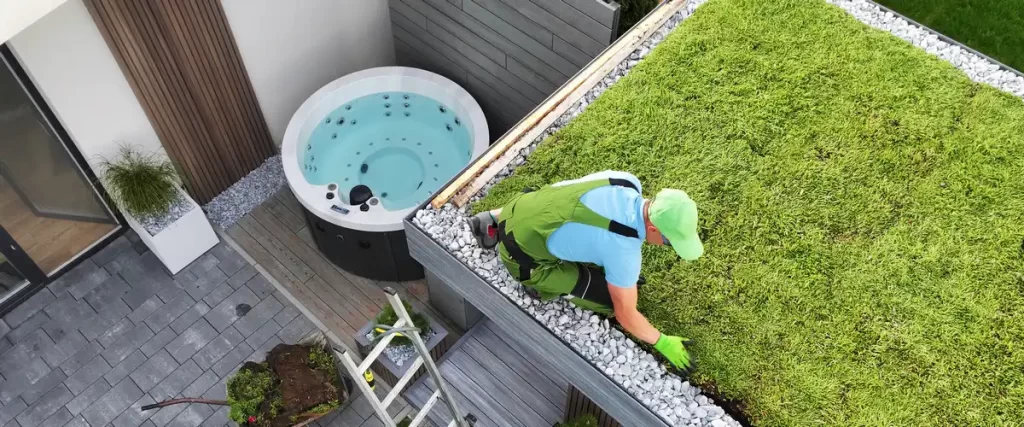
Literally growing plants on your roof. Excellent for energy savings, stormwater management, and environmental impact. Popular on flat roofs and commercial properties.
Residential applications remain rare because they’re complicated, expensive, and require ongoing maintenance. You need waterproofing, root barriers, drainage, soil, and irrigation. Most houses aren’t built for this.
What Should You Actually Pick?
| Priority | Best Material | Why |
| Lowest Cost | Traditional asphalt shingles | Proven performance, easy repairs, widely available |
| Longest Life | Metal roofing or clay tiles | 50+ years with minimal maintenance |
| Best Energy Efficiency | Cool roof metal or solar shingles | Reduce heat absorption and lower cooling costs |
| Eco Friendly | Metal (recyclable) or solar | Sustainable materials with environmental benefits |
| Aesthetic Appeal | Clay tiles or architectural shingles | Traditional look with modern performance |
Your climate matters too. Metal handles snow and ice better than asphalt. Clay tiles work great in hot, dry areas, but crack in freeze-thaw cycles. Impact-resistant shingles make sense in hail zones.
Check building codes in your area. Some regions require specific fire ratings or wind resistance. Your roof’s pitch eliminates certain options. And your budget determines what’s actually possible versus what sounds nice in theory.
If you want help choosing the right material for your home, our roofing services cover asphalt shingles, metal roofing, and full roof replacement options.
Common Questions Before Spending Thousands on a Roof
Will energy-efficient roofing really lower my bills?
Yes, measurably. Cool roof technology can reduce cooling costs by 10-15% in hot climates. Metal roofing reflects solar heat rather than absorbing it, keeping your attic and living spaces cooler. The savings compound over decades. Just don’t expect dramatic changes if your home has poor insulation or old windows letting air escape.
Are sustainable roofing materials worth the extra cost?
Depends on your values and timeline. Eco-friendly materials often cost more upfront but last longer and reduce environmental impact. Metal roofs can be recycled at the end of life. Solar generates clean power. If you’re staying in your home long-term and sustainability matters to you, the premium pays off through longevity and energy savings.
Can I install premium roofing materials on an old house?
Sometimes. Your roof structure needs to support the weight. Clay tiles, concrete, and some metal systems are heavy. An engineer might need to assess whether your framing can handle it or if you need additional structural support. That adds cost and complexity. Lighter composite materials or modern asphalt shingles work on virtually any structure.
How much does material choice actually affect resale value?
More than you’d think. A new roof increases property value regardless of material. Premium options like metal or architectural shingles add more than basic asphalt. Solar roofing appeals to eco-conscious buyers but might scare off others worried about maintenance. In general, choose materials that fit your neighborhood. A metal roof in an area where everyone has tile stands out, and not always in a good way.
Stop Reading and Start Doing
You’ve absorbed information about metal panels, solar shingles, cool roof coatings, and sustainable materials. You know the pros and cons. You understand the trade-offs. Now you have to actually make a decision and get your roof replaced.
We install modern roofing systems across New Jersey. Metal, asphalt, architectural shingles, whatever material performance makes sense for your house, budget, and goals. We walk you through options based on your specific situation instead of pushing whatever we have sitting in the warehouse.
Call us at (732) 888-3892 or message us here. We’ll look at your current roof, discuss what you need, and recommend materials that actually work for your home.
Our roof installation services cover everything from traditional asphalt to energy-efficient metal systems. We handle expert installation, pull permits, and make sure everything meets building codes. You get a roof that performs properly and lasts as long as the manufacturer claims.
The best roofing material in 2026 is whatever protects your house, fits your budget, and lasts long enough that you’re not thinking about roofs again for decades. Let’s figure out what that is for your specific situation.