
Hiring someone to rip off your roof and put a new one on requires more trust than most financial decisions you’ll make. You’re letting strangers climb on your house with power tools, handle a significant investment, and do work you can’t easily inspect or verify yourself.
Bad roofing contractors exist everywhere. They show up with low bids, promise quick timelines, then disappear after collecting deposits. Or they finish the work but do it wrong, leaving you with leaks, voided warranties, and structural damage that costs more to fix than the original job.
Good contractors answer questions directly, show you proof of credentials, and explain their process clearly. Here are the eight questions that separate professionals from people who will make your life miserable.
1. What Insurance and Licensing Do You Actually Have?
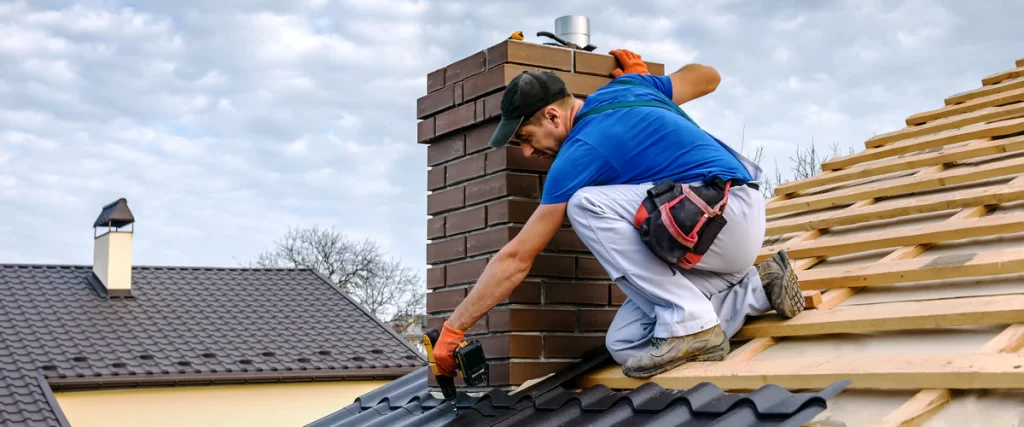
A reputable roofer carries general liability insurance and workers’ compensation. General liability covers damage to your property if something goes wrong. Workers’ comp protects you if someone gets hurt on your roof and decides to sue.
Ask for proof. Certificate of insurance with current dates. License numbers you can verify. Don’t take their word for it. Unlicensed contractors can’t pull building permits legally, which means your roof work might violate local building codes. That becomes your problem when you try to sell or file an insurance claim later.
The Better Business Bureau and your state’s contractor licensing board maintain records. New Jersey requires home improvement contractors to register with the Division of Consumer Affairs. Verify their credentials there before signing anything.
Major red flag: Any contractor who says insurance isn’t necessary or acts annoyed when you ask for documentation. Walk away immediately.
2. Can You Show Me Past Work and References?
Experienced roofers have portfolios. Photos of completed roofing projects. Addresses of recent jobs. Names of satisfied clients who’ll answer questions about their experience.
Call those references. Ask about timeline accuracy, cleanup quality, how payment was handled, whether problems came up and how the contractor dealt with them. People who had good experiences will happily talk. People who got burned will definitely talk.
Drive by completed projects if they’re local. You can see finished work quality without bothering homeowners. Look at shingle alignment, flashing details around chimneys, how clean the lines are on ridge caps.
Red flag: Contractors who can’t or won’t provide references from the past year. Either they’re new (risky for a roof replacement), or past customers aren’t saying nice things about them.
3. What’s Included in Your Written Estimate?
A professional contractor provides detailed written estimates breaking down labor, materials, timeline, and what specific work gets done. You should see roofing materials brands and grades listed. Square footage. Whether they’re replacing the roof deck if needed. What type of underlayment goes down. Flashing materials. Drip edge. Ventilation work.
Vague estimates like “new roof installation $12,000” tell you nothing. What happens if they find structural damage after removing old shingles? Who pays for that? What if your roof deck needs replacing? Is cleanup included or extra?
Get everything in writing before work begins. Payment schedule, start date, estimated completion, warranty details, what happens with unforeseen issues. Clear expectations prevent arguments later.
Red flag: Contractors who only give verbal estimates or write numbers on the back of business cards. Also, anyone who wants full payment upfront. Legitimate payment schedules involve deposits, progress payments, and final payment after completion.
4. What Warranties Cover This Work?
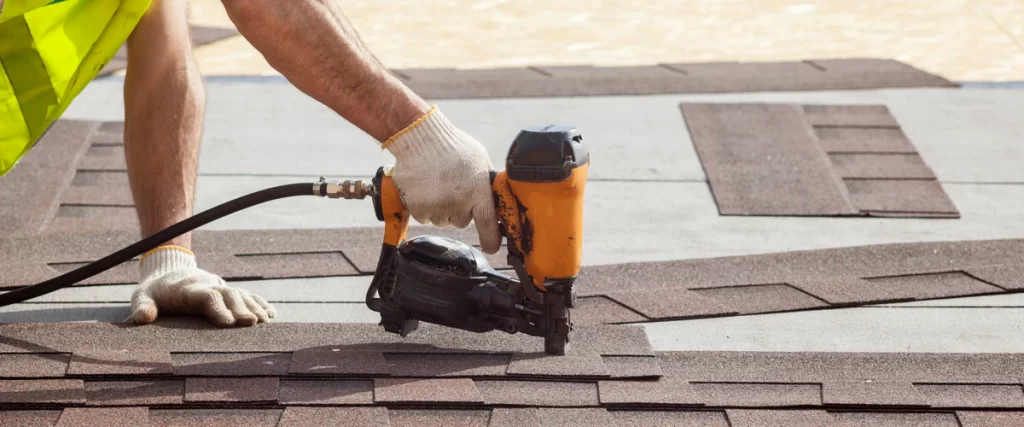
Two warranties matter: manufacturer warranty on roofing materials and workmanship warranty from the contractor.
Manufacturer warranties cover defective shingles. Most major brands like Owens Corning or GAF offer 25-50 year material warranties. But those warranties often have conditions. Proper installation by certified contractors. Regular maintenance. Some won’t honor claims if installation violated their specifications.
Workmanship warranties cover installation mistakes. A comprehensive warranty runs 5-10 years minimum. If your roof leaks because flashing was installed wrong, the contractor fixes it free. Without a workmanship warranty, you’re paying to fix their mistakes.
Red flag: Contractors who don’t offer workmanship warranties or whose warranties expire in less than two years. That’s them telling you they don’t trust their own work.
5. How Do You Handle Building Permits and Code Compliance?
Professional roofers pull building permits for roof replacement. Permits ensure work meets local building codes. Inspectors verify everything’s done correctly and safely.
Some contractors skip permits to save time and fees. This creates problems. Your roof might not meet code requirements for wind resistance or fire safety. Insurance companies can deny claims on unpermitted work. Future buyers might walk away during home inspections when they discover unpermitted roofing work.
Ask who handles permitting and what codes apply to your area. A professional contractor knows local requirements and includes permit costs in their estimate.
6. What’s Your Plan for Weather and Delays?
Roofing work depends on weather. Rain stops progress. High winds make work unsafe. Extreme temperatures affect how materials cure.
A good contractor explains their weather contingency plan. How do they protect your exposed roof if rain shows up unexpectedly? What’s the rescheduling process? Do delays push your project back weeks or just a day or two?
Ask about timeline buffers for weather delays. A contractor promising completion in three days regardless of conditions is either lying or rushing work in unsafe conditions. Neither is acceptable.
7. What Happens During and After the Job?
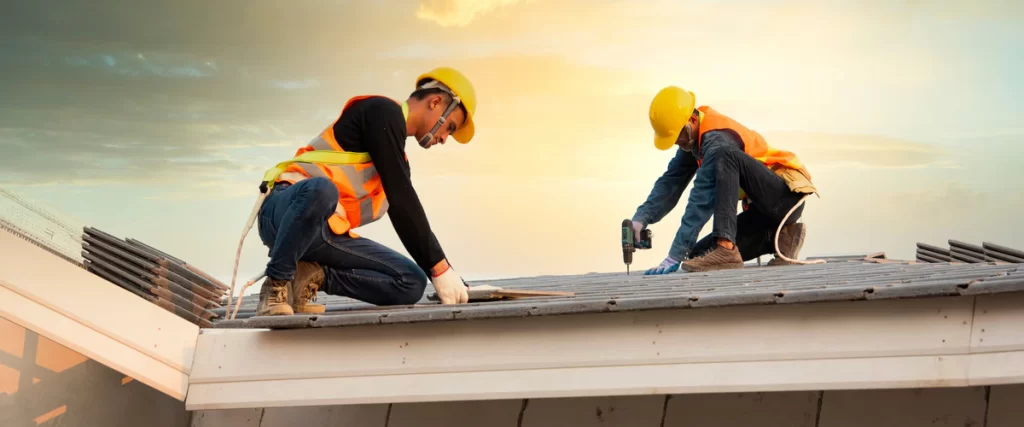
Roofing work is messy. Shingles come off. Nails fall. Debris accumulates. How does cleanup work? Some contractors use magnetic rollers to collect stray nails. Others do bare minimum cleanup and leave nail hazards in your yard.
Ask about daily cleanup and final cleanup. Will they protect landscaping and driveways? Where does debris go? How do they handle falling debris near windows or AC units?
Find out about their typical crew size and who’s actually doing the work. Some contractors subcontract everything to whoever’s available. You want to know who’s on your roof.
8. Why Should I Choose You Over Other Contractors?
This question makes contractors explain their value beyond price. What makes them better? Certifications from shingle manufacturers? Years of experience with residential roofing? Special expertise with flat roofs or complex installations?
Listen to their answer. Professional roofers talk about quality materials, trained crews, their process for ensuring proper installation. They mention financial stability and how long they’ve been in business. They explain how they handle customer concerns.
Contractors who only compete on price usually deliver work matching that price. The lowest bid often means cutting corners somewhere.
What Actually Matters When Evaluating Roofing Contractors
| Green Flags | Red Flags |
| Provides detailed written estimates | Only offers verbal quotes or vague pricing |
| Shows current insurance certificates | Can’t or won’t prove insurance coverage |
| Offers solid workmanship warranty | No warranty or very short warranty period |
| Pulls permits and follows building codes | Suggests skipping permits to save money |
| Provides references and portfolio | Has no references or refuses to provide them |
| Clear communication about process | Vague answers or gets defensive about questions |
| Reasonable payment schedule | Demands full payment upfront or only accepts cash |
| Established business with verifiable history | Recently started or no verifiable business records |
Quick FAQ for People Who Hate Reading
Should I always pick the lowest bid?
No. The cheapest contractor usually cuts corners somewhere. Materials, labor quality, insurance, permits. A middle-range bid from a reputable contractor beats a low bid from someone who’ll under deliver or disappear.
How many estimates should I get?
Three minimum. Gives you price range and lets you compare how different contractors approach your project. Too many estimates wastes time. Three covers your bases.
What if I find problems after work is done?
Contact the contractor immediately. Document issues with photos. A good contractor returns to fix legitimate problems covered by their workmanship warranty. If they refuse or don’t respond, you have written contracts and warranties to enforce through small claims court or consumer protection agencies.
Can a contractor start immediately?
Reputable contractors stay busy. Immediate availability might mean they’re desperate for work, which raises questions about their quality and reputation. Two to four weeks lead time is normal for established roofing companies.
Or Skip the Interrogation and Call Someone Who Answers These Already
You know what you should ask. You understand why these questions matter. You’re prepared to interview multiple potential roofers and evaluate their answers. That’s hours of phone calls, research, and stress trying to figure out who’s telling the truth.
We install roofs across New Jersey. We carry proper insurance. We pull permits. We offer comprehensive warranties. We provide references. We explain our process clearly. All those questions you should ask? We answer them upfront because we know they matter.
Call us at (732) 888-3892 or message us here. We’ll give you a detailed estimate, show you our credentials, and explain exactly how your roof installation will work from start to finish.
Check out our roof installation services to see what goes into a properly done roof replacement. We handle everything from initial inspection through final cleanup, with clear communication at every step.
Choosing a professional roofing contractor is a crucial step. Make an informed decision by working with people who treat your roof like it matters, because it does.