
Your roof is quietly working every single day. Rain, wind, UV rays, ice, fallen branches, and whatever New Jersey throws at it next. Most of the time, you don’t think about it. Then one morning there’s a water stain on the ceiling, a shingle in the yard, or a weird soft spot near the attic hatch, and suddenly it’s all you can think about.
The seven most common roofing problems are roof leaks, missing or damaged shingles, flashing failures, poor attic ventilation, clogged gutters, flat roof ponding, and aging materials.
Most of them start small and get expensive fast when ignored. The good news? Caught early, most are very fixable.
Quick Guide to Common Roofing Problems
Here’s a quick breakdown of the roof issues homeowners usually notice first, what they can mean, and how quickly they should be checked.
| Roofing problem | What you’ll notice | Why it matters | How urgent |
|---|---|---|---|
| Roof leaks | Water stains, damp attic insulation, dripping, or musty smells. | Water can travel under the roof deck and damage insulation, framing, drywall, and indoor air quality. | High |
| Missing or damaged shingles | Shingles in the yard, curled edges, cracks, bare patches, or exposed nails. | Open areas let water get under the roofing system and can spread fast during storms. | High |
| Flashing failures | Leaks near chimneys, skylights, vents, walls, or roof valleys. | Flashing protects the most leak-prone roof transitions, so small gaps can cause repeat leaks. | High |
| Poor attic ventilation | Hot upper floors, ice dams, condensation, moldy smells, or premature shingle aging. | Trapped heat and moisture can damage shingles from below and shorten the life of the roof. | Medium |
| Clogged gutters | Overflowing gutters, water behind fascia, pooling near the foundation, or granules in downspouts. | Backed-up water can rot roof edges, damage fascia, and push moisture where it should not go. | Medium |
| Flat roof ponding | Standing water after rain, soft spots, bubbling, or membrane seams opening. | Ponding adds weight and speeds up membrane wear, especially if water sits for days. | High |
| Aging roof materials | Granule loss, widespread cracking, brittle shingles, or repeated small repairs. | At a certain point, repairs stop being cost-effective because the whole system is wearing out. | Medium to high |
Roof leaks
Missing or damaged shingles
Flashing failures
Poor attic ventilation
Clogged gutters
Flat roof ponding
Aging roof materials
Below, we’ll walk through each problem in more detail so you know what to look for, what might be causing it, and when it is time to bring in a roofer.
1. Roof Leaks
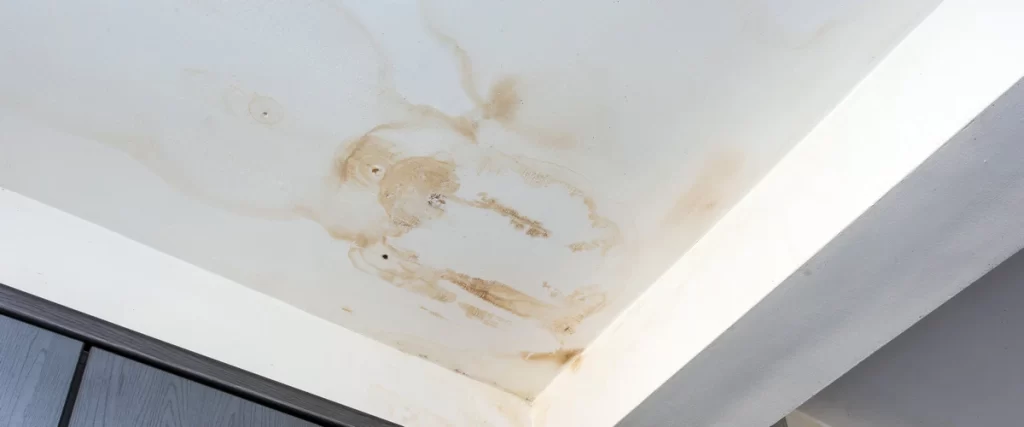
A small leak is almost never actually small. Water finds the path of least resistance, so by the time you see moisture damage on your ceiling, it may have already traveled several feet through your roof deck, insulation, and framing.
The most common entry points:
- Damaged or missing flashing around chimneys, skylights, and vents
- Cracked shingles that let water slip underneath
- Exposed nails that back out over time and leave tiny gaps
- Worn drip edge along the roof’s perimeter
The EPA’s guidance on indoor air quality and moisture points out that even minor water intrusion can trigger mold growth within 24 to 48 hours. That means a slow drip behind a wall can turn into an air quality problem before you ever notice the stain.
If you spot signs of a leak, acting within days, not weeks, makes a real difference in how much the repair ends up costing.
2. Missing or Damaged Shingles
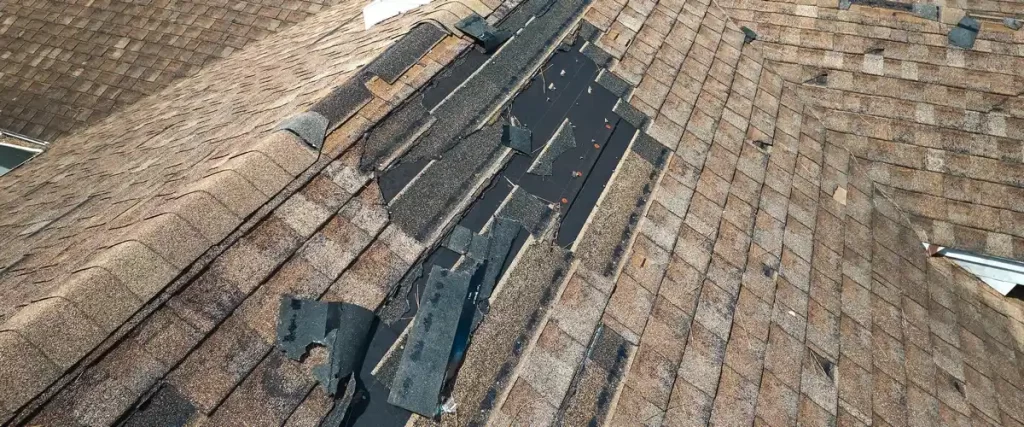
Strong winds, hail damage, and years of UV exposure all take their toll on asphalt shingles. A shingle that’s cracked, curling at the edges, or missing entirely leaves the roof deck exposed to whatever weather comes next.
What to watch for from the ground:
- Curling or buckling shingles along the ridge or edges
- Bald patches where granules have worn away
- Cracked shingles that have split from thermal expansion
- Dark streaks caused by algae feeding on moisture trapped under damaged areas
Asphalt shingles are used in roughly 80% of roofing projects across the United States, which means most homeowners are dealing with the same material. The upside is that asphalt shingles are repairable in sections. You don’t always need a complete roof replacement when a few shingles go bad. But if the damage is widespread or the roof is getting old, patching individual spots can become a pattern that never really ends.
3. Flashing Failures
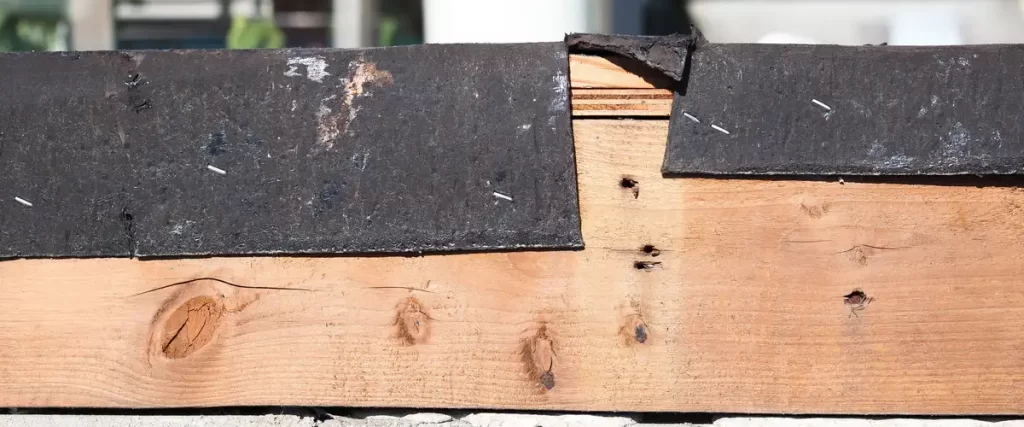
Flashing is the metal barrier installed anywhere the roof meets a vertical surface, think chimneys, dormers, vents, and skylights. It’s often the first thing to go, and it’s responsible for a surprisingly high percentage of roof leaks.
Cracked flashing, improperly sealed joints, or flashing that was cut too short during the original roof installation can all let water in. The tricky part is that flashing issues aren’t usually visible from the ground. You need someone up there to check the seams, the caulking, and the overlap.
This is one area where poor installation really shows its consequences years down the road.
4. Poor Attic Ventilation
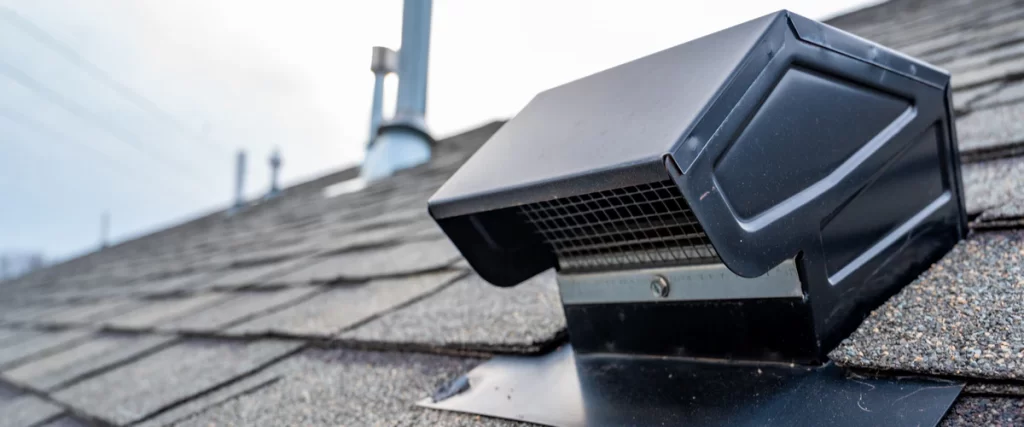
This one surprises a lot of homeowners. Improper ventilation isn’t just a comfort issue but a roofing problem.
When heat and moisture build up in the attic, the roof deck deteriorates from the inside out. In summer, excessive heat warps shingles and dries out the adhesive that holds them down. In winter, warm air from the living space hits the cold roof deck, condenses, and causes moisture buildup. Over time, that leads to rot, mold growth, and structural damage.
The signs of poor attic ventilation are subtle at first:
- Ice dams forming along the eaves in winter (a classic New Jersey winter problem)
- Higher energy bills than usual
- Shingles aging faster than their expected lifespan
- Musty odor in the attic
Proper ventilation works as a system, with intake at the soffits and exhaust near the ridge. If either side is blocked or undersized, the whole thing stops working. A professional roofer can assess whether your current setup is balanced.
5. Clogged Gutters
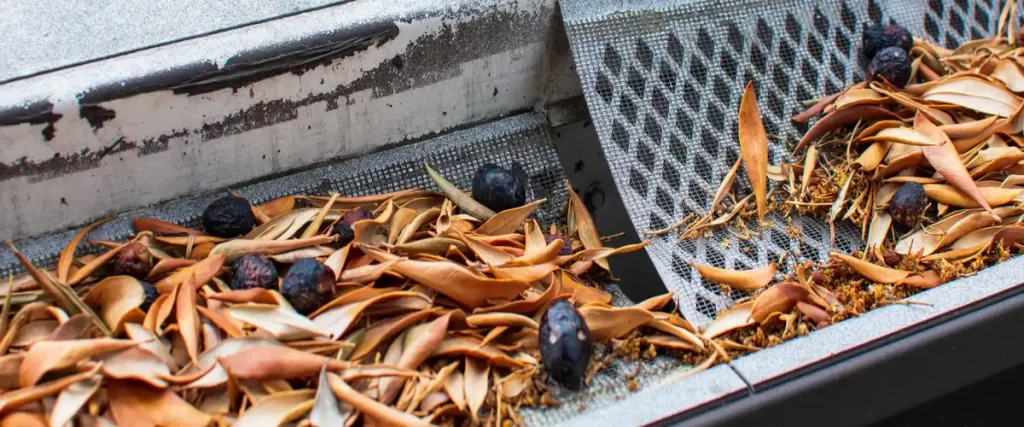
Gutters aren’t technically part of the roof system, but they protect it. When gutters are clogged with leaves, debris, or granules shed from aging shingles, water backs up under the roofing materials at the eaves.
That backed-up water:
- Seeps under shingles and degrades the roof deck
- Causes ice damming in cold weather, where standing water freezes and lifts shingles
- Damages the fascia board behind the gutters, which supports the drip edge
Cleaning gutters twice a year, once in late spring and once after the leaves fall, is genuinely one of the cheapest forms of preventative maintenance you can do for your roof’s lifespan. Think of it as protecting a $10,000 to $30,000 investment with an afternoon of work.
6. Flat Roof Ponding and Membrane Issues
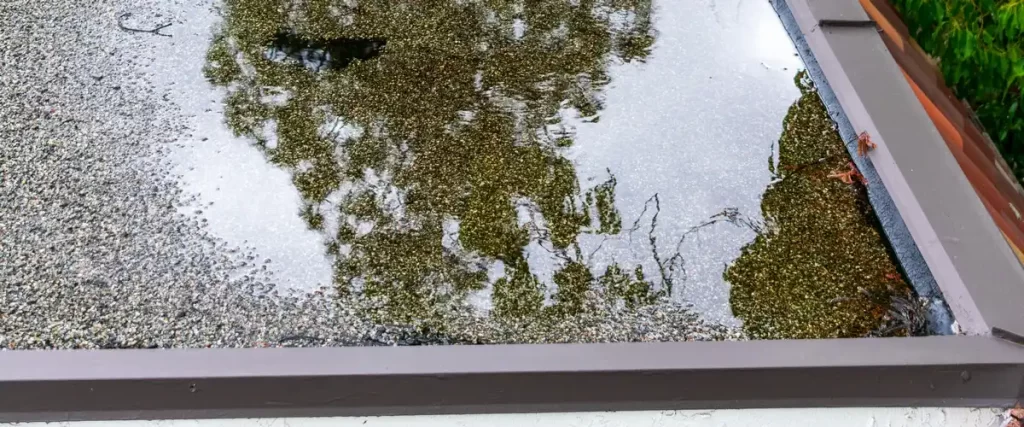
Flat roofs and low-slope roofs have their own set of challenges. The biggest one is standing water. When water doesn’t drain properly, due to improper slope, clogged drains, or a sagging roof deck, it sits on the roof membrane and accelerates deterioration.
A roof membrane that’s been exposed to ponding water for more than 48 hours will begin to break down chemically. That leads to cracks, separations, and eventually leaks that are harder to trace than on a pitched roof.
If you have a flat roof on a commercial building or addition, drainage is the first thing to evaluate during any regular roof inspection.
7. An Aging Roof That’s Past Its Prime
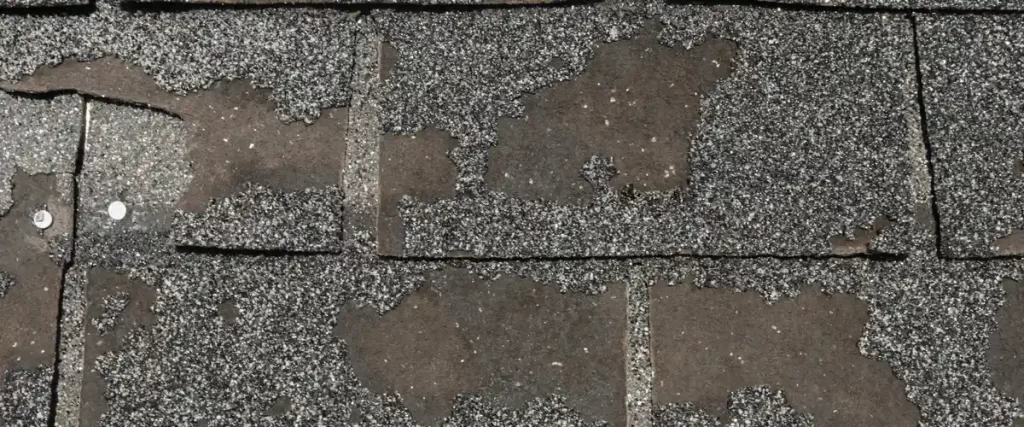
Sometimes the problem isn’t one specific thing. It’s everything, all at once, quietly compounding. An aging roof shows its age in a dozen small ways before it fails visibly.
| Sign | What It May Mean |
| Granules in gutters | Shingles breaking down, nearing end of life |
| Sagging sections | Structural damage or saturated roof deck |
| Daylight in the attic | Gaps in the roof system |
| Frequent small repairs | Larger failure is likely coming |
| Roof over 20 years old | Full evaluation worth scheduling |
A Note on New Jersey’s Local Climate
New Jersey homeowners deal with a specific combination of stressors: harsh winters with ice damming risk, humid summers that accelerate mold growth, nor’easters that test flashing and shingles alike, and occasional hail. Your roof’s integrity is tested year-round in ways that warmer, drier climates just don’t experience.
That’s part of why regular roof inspections matter more here than the general rule of thumb suggests. Most experts recommend an annual inspection for roofs over 10 years old, with additional checks after any significant storm.
FAQ
How do I know if I need a repair or a full replacement? A repair makes sense when damage is localized to a small area and the rest of the roof system is in good shape. A complete replacement becomes the better financial decision when repairs are becoming frequent, the roof is past 20 years, or structural damage affects the deck.
Can I inspect my own roof? You can do a ground-level visual check with binoculars, looking for cracked shingles, missing sections, sagging, or dark streaks. For anything beyond that, a professional roofer should get up there, especially after storm damage.
What does poor ventilation look like from inside the house? Ice dams in winter, uneven temperatures between floors, higher cooling bills in summer, and condensation on windows are all indirect signs that attic ventilation may be insufficient.
How often should gutters be cleaned? Twice a year as a baseline, more often if you have large trees nearby. After a hailstorm, it’s worth checking gutters for shingle granule buildup, which signals accelerating shingle wear.
Does homeowner’s insurance cover roof damage? Usually yes, for sudden damage caused by storms, wind, or hail. Damage from gradual wear or poor maintenance is typically not covered. Timely repairs and regular maintenance documentation can support a claim when the time comes.
Honestly? You Don’t Have to Figure This Out Alone
Reading through all of this, it’s easy to feel like maintaining a roof is a part-time job. Inspections, ventilation checks, gutter cleaning, flashing assessments, tracking shingle age. Most homeowners have enough going on without adding that to the list.
That’s really what a reliable roofing contractor is for. When the roof starts showing signs of trouble, or you just want to know where things stand before something becomes a problem, having someone you trust to give you a straight answer matters. Braga Brothers has been doing this in New Jersey since 1988, and the team approaches every job the same way: show up, assess honestly, and do the work right.
If you’d like to explore your options for a roof replacement in New Jersey, the page has everything you need to understand the process and what to expect.
Ready to schedule an inspection or get a quote? Call us at (732) 888-3892 or message us here.