
Twice a year is the baseline. Once in late spring, once after the leaves drop in fall.
That covers most homes in most of the country. But your house isn’t most homes, so the honest answer bends a little depending on the trees around you, the weather you get, and how your roof drains.
Let me break down what actually moves that number, and how to tell when your gutters are begging for attention.
The Twice-a-Year Rule, and When It Changes
Most experts land twice a year for a reason.
Spring clears out the pollen, seed pods, and winter debris that piled up while you weren’t looking. The fall pass handles the leaves before they turn into a soggy, packed mess that freezes solid in January.
That said, plenty of homes need more.
If you’ve got mature trees hanging over the roof, especially pines or oaks, you’re probably looking at three or four cleanings a year. Pine needles are relentless. They slip through guards, mat together, and choke a downspout faster than almost anything.
Here’s a rough guide to how your situation shifts the schedule:
| Your Situation | How Often to Clean |
| Few or no nearby trees | Twice a year, spring and fall |
| Several trees, light coverage | Three times a year |
| Heavy tree cover, lots of pines | Four times a year, sometimes more |
| After a big storm | Check immediately, clean if needed |
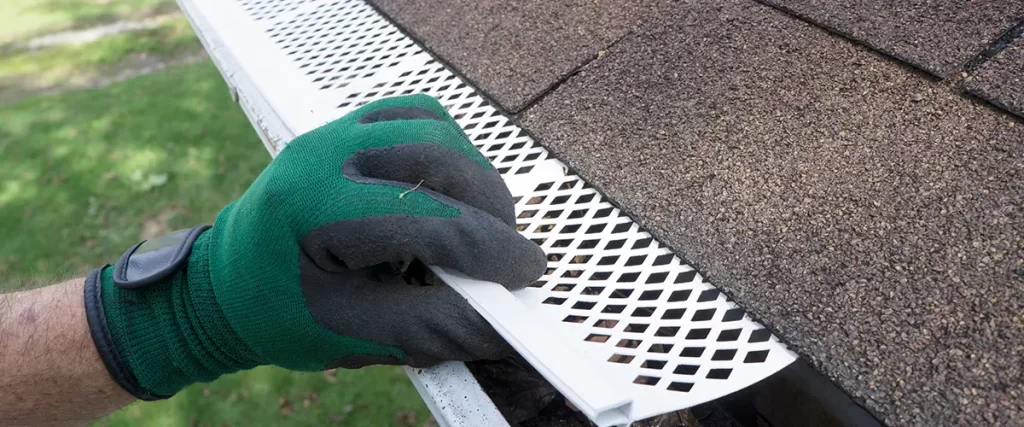
| Gutter guards installed | Once or twice, plus a quick check |
Climate matters too. Homes that get hammered with heavy rainfall or long winters tend to need an extra look, because all that water has to go somewhere, and clogged gutters send it straight where it shouldn’t.
How to Tell They’re Overdue
You don’t always have to climb a ladder to know something’s wrong. Your house will tell you. Watch for these:
- Water spilling over the edge during rain instead of running to the downspout
- Plants or weeds sprouting out of the gutter line, a clear sign of packed organic debris
- Sagging sections pulling away from the fascia under the weight
- Stains or streaks running down the siding below the gutter
- Pooling water near the foundation after a storm
That last one is the dangerous one.
When gutters overflow, the water collects against your home’s foundation, and over time, that leads to erosion, a damp basement, and cracks you didn’t have last year.
Standing water in a clogged gutter causes a quieter problem, too.
The EPA points to neglected rain gutters as a common mosquito breeding ground, since debris holds water long enough for pests to move in. Keeping the channels clear is genuinely part of keeping bugs off your porch.
If you want the full picture of how backed-up drainage chews through a roof from below, our breakdown of the most common roofing problems walks through it.
The Best Times of Year to Do It
Late spring, after the trees finish dropping their seeds and flowers, is the first window. Get it done before summer storms roll in.
Then comes the big one. Late fall, once the last leaves have come down but before the first hard freeze. Skip this, and you’re inviting ice dams, since trapped water freezes, expands, and pries your gutters loose over the winter.
After a major storm, give them a look regardless of the calendar. Wind drops branches and debris in a hurry, and one bad clog can undo months of clean drainage.
A Quick Word on Doing It Yourself
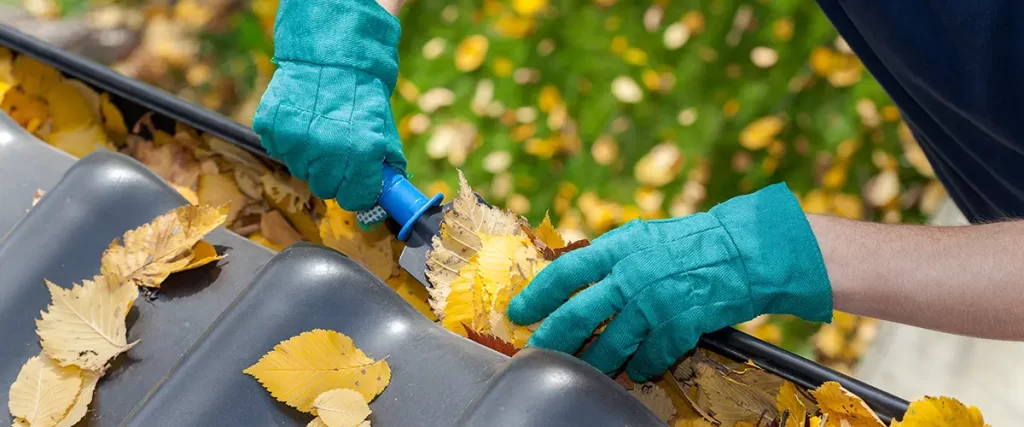
You can absolutely clean your own gutters with a sturdy ladder, gloves, and a garden hose to flush everything toward the downspout. Lots of homeowners do.
But be honest about the risk. Ladder falls send a lot of people to the emergency room every year, and a wet, two-story roofline is no place to learn that lesson.
The CDC tracks falls as a leading cause of home injury, and gutter work checks every box for how those happen. If your house is tall, your roof is steep, or the footing’s bad, that’s a job worth handing off.
If your gutters are sagging, leaking at the seams, or pulling away no matter how often you clear them, cleaning won’t fix it. Our guide to gutter repair versus replacement helps you tell the difference.
FAQ
Can I really skip a cleaning if I have gutter guards?
Not entirely. Guards cut down on debris, but fine material like pollen and shingle grit still slips through. Plan on at least one cleaning a year, plus a quick check after storms.
What happens if I never clean them?
Water backs up under the shingles, rots the fascia board, overflows onto the foundation, and eventually you’re paying for water damage that costs far more than a cleaning ever would.
Is there a wrong time of year?
During an active freeze. Wet debris turns to ice, and you risk damaging the gutters trying to pry it loose. Wait for a thaw.
How long does a cleaning take?
For an average home, a couple of hours. Bigger or more complex rooflines take longer, especially with multiple stories.
Skip the Ladder, Keep Your Saturday
You’ve now got the full rundown on timing, warning signs, and how to handle it yourself. And maybe you’d rather not.
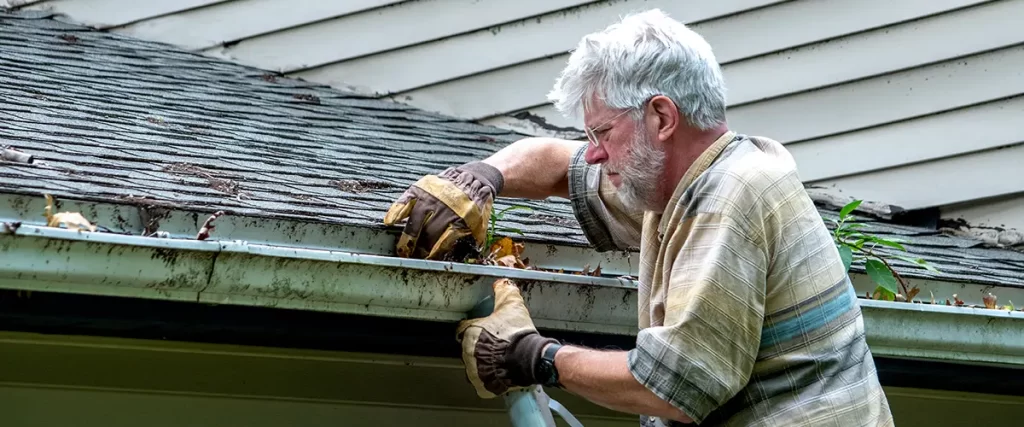
There’s no shame in that. Clearing gutters means hauling out a ladder, balancing on a roofline, and digging wet leaves out by hand, and it’s the kind of chore that’s easy to put off until water’s already running down your siding.
So if you’d rather hand it over, call us at (732) 888-3892 or message us here, and we’ll keep your drainage flowing freely. While we’re at it, we can tell you whether your current setup is holding up or whether a fresh gutter installation would save you the headache for good.