
Not long. That’s the short answer. But since you’re here, you’re probably trying to figure out whether the drip you noticed last Tuesday is a “call someone this week” situation or a “call someone right now” situation.
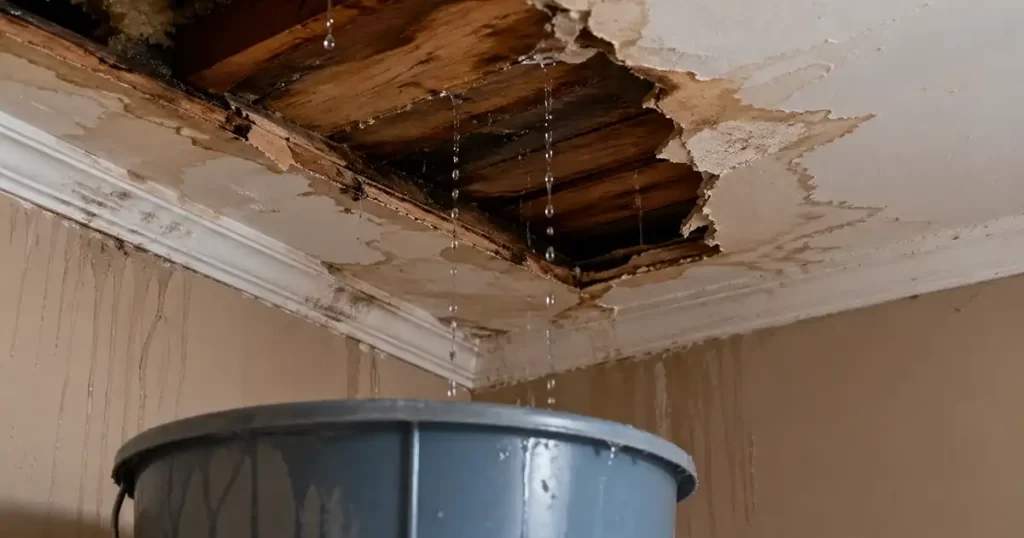
The Clock Starts the Moment Water Gets In
Most homeowners assume a small roof leak is a small problem. A slow drip into a bucket, a faint stain on the ceiling, something to deal with when the weather clears up. The leak itself might be small. What it sets in motion isn’t.
Mold can begin growing on damp insulation, wood, and drywall within 24 to 48 hours of water exposure, and it won’t announce itself for another two to three weeks. By the time there’s a musty smell or visible spotting, the colony has been quietly establishing itself in your attic for days. The stain on the ceiling is late-stage news.
This doesn’t mean every small leak requires emergency panic. It means the math on waiting is less forgiving than most people expect.
What Actually Happens at Each Stage
The First 48 Hours
Water enters through a gap in the flashing, a cracked pipe boot, a missing shingle. It soaks into the insulation and makes contact with the wood decking. Mold spores, which are already present in the air, land on the wet surface and begin germinating. Nothing is visible yet. There’s no smell. The ceiling looks completely fine.
This is also the best possible moment to act.
One to Two Weeks
The mold colony is establishing its foothold. Insulation that absorbed water during the last rain hasn’t dried out because attics and wall cavities don’t ventilate the way open rooms do. The wood around the leak has been wet long enough to start softening. Water stains may appear on the ceiling below. Peeling paint near the roofline. A faint smell you can’t quite place.
A repair at this stage is still a repair. Targeted, manageable, significantly cheaper than what comes next.
One Month
Structural damage starts becoming a real concern around the four to eight week mark. Rafters and roof decking that have been repeatedly soaked through multiple rain events begin to show early wood rot. Wet insulation loses its effectiveness and starts compressing. If the leak is near any interior walls, moisture is working its way down through them. The scope of what needs to be fixed has grown beyond the original entry point.
Several Months
At this stage, you’re no longer dealing with a roof repair alone. Wood rot in the decking may require sections to be cut out and replaced before new roofing material goes down. Insulation likely needs replacing. If mold has spread into wall cavities or ceiling joists, remediation becomes its own separate project, with its own contractor, its own timeline, and its own cost.
What started as a flashing repair or a boot replacement is now a multi-trade job. The original leak might cost a few hundred dollars to fix. The surrounding damage costs several thousand.
A Year or More
At this point the conversation changes from repair to replacement. Prolonged moisture exposure compromises the structural integrity of the roof deck, weakens the framing below it, and can cause sagging ceilings that go from cosmetic problem to genuine safety concern.
Insurance companies also look hard at whether damage resulted from a sudden event or from ongoing neglect, and the distinction affects whether a claim gets covered.
When Waiting Is Genuinely Your Only Option
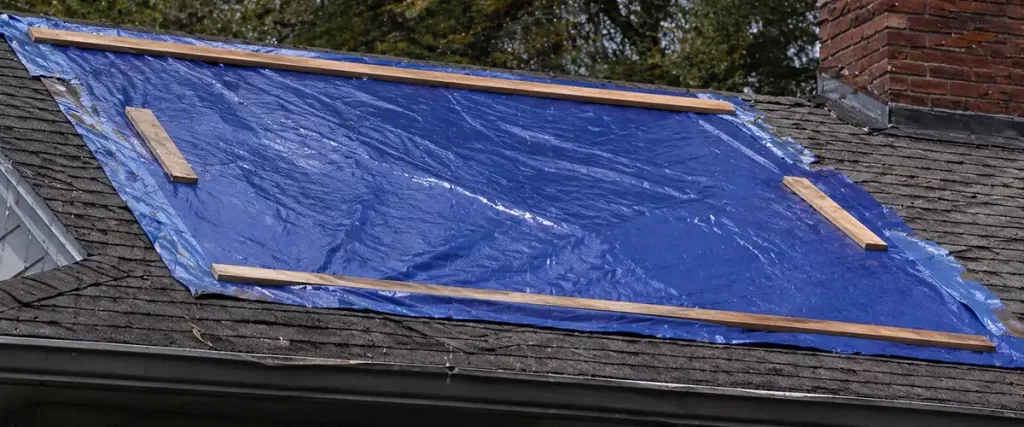
There are situations where a contractor can’t get out immediately, and a storm is already on the way. In those cases, a temporary tarp secured well past the damaged area on all sides buys real time without making things worse. Roofing tape applied from inside the attic to the underside of the deck also slows water entry temporarily.
What doesn’t help: piling roofing cement or caulk over the problem from the outside. It looks like progress. It traps moisture underneath it, complicates the actual repair, and in some cases voids the surrounding shingle warranty. If a temporary fix is necessary, keep it genuinely temporary and get a contractor on the calendar before the next heavy rain.
The Insurance Side of Waiting
Storm damage that gets repaired promptly tends to go through insurance without friction. A claim filed weeks or months after the damage occurred, with evidence that the problem was known and ignored, is a different conversation. Many policies specifically limit or exclude coverage for damage that resulted from a homeowner’s failure to maintain the property. The leak that could have been a clean claim becomes a denied one.
Documenting the damage immediately after you notice it, photos, dates, written notes, creates a record that protects you whether the repair is a week out or a month out due to contractor availability.
The One Situation Where You Actually Should Wait
If you’re debating between patching an old roof and replacing it entirely, and the damage is minor and contained, waiting a few weeks to get multiple quotes and make a thoughtful decision is reasonable. Rushing into a full roof replacement because of one cracked pipe boot is overkill. But “waiting to decide what kind of repair to do” is different from “waiting to do any repair at all.” The leak itself needs a temporary solution while that decision gets made.
Our roof repair page covers what targeted repairs look like, and if the inspection reveals that a patch is buying time rather than solving the problem, our roof replacement page walks through what a full replacement involves.
FAQ
My roof only leaks during really heavy rain. Can it wait?
That’s still a leak. Intermittent leaks give the impression they’re minor, but the wood and insulation are getting wet every time it happens. The damage accumulates whether or not there’s a steady drip between storms.
How do I know if there’s already mold I can’t see?
A musty smell in the attic or upper floors that persists after things dry out is a strong indicator. A roofer or mold inspector can identify hidden growth before it becomes visible on surfaces.
Will my homeowners insurance cover the damage?
Storm damage that’s reported and addressed promptly is typically covered. Damage tied to a leak that was known and left unrepaired is usually not. Check your policy’s language on maintenance and neglect before assuming coverage.
What’s the actual cost difference between fixing a leak early versus late?
A targeted flashing repair or boot replacement runs a few hundred dollars. Once wood rot, insulation replacement, and mold remediation enter the picture, costs move into the thousands quickly, and that’s before any interior ceiling or drywall work.
Don’t Let the Next Storm Make the Decision for You
The longer a roof leak runs, the more company it brings along. If you’ve spotted water stains, noticed something musty upstairs, or just know there’s a problem and haven’t made the call yet, now is the right time.
Our roofing services can help you confirm the source of the leak before the next storm turns a small repair into a bigger problem.
Call us at (732) 888-3892 or message us here, and we’ll take a look before the damage spreads any further.