Hiring an unlicensed roofer to save money can end up making you personally responsible for workplace injuries, voiding your homeowner’s insurance, and leaving you with a roof that fails inspection.
The savings aren’t real. Here’s everything you need to know before you sign anything.
In New Jersey, residential roofing contractors are generally required to register as Home Improvement Contractors with the New Jersey Division of Consumer Affairs.
Homeowners may still call this being “licensed,” but the important thing is the same: the contractor should have an active NJHIC registration, proper insurance, and the ability to pull required permits.
Quick Comparison: Registered vs. Unregistered Roofing Contractors
| What to compare | Registered / properly insured contractor | Unregistered contractor |
|---|---|---|
| NJ Home Improvement Contractor registration | Active NJHIC registration | No active registration |
| General liability insurance | Required for NJ HIC registration | Often missing or hard to verify |
| Workers’ compensation | Should be carried when the business has employees | Often missing or unclear |
| Permits | Can pull required permits properly | May ask you to skip permits or pull them yourself |
| Accountability | Can be checked through NJ Consumer Affairs | Harder to verify or hold accountable |
| Manufacturer warranties | More likely to preserve warranty eligibility | May void or weaken warranty coverage |
| Homeowner’s insurance | Less likely to create claim issues | Can create problems if work was improper or unpermitted |
| Legal/financial risk | Lower risk when credentials, insurance, and contract are in place | Higher risk if someone gets hurt or the work fails |
| Written contract | Should include registration number, scope, price, timeline, and warranty details | May be vague, incomplete, or missing key protections |
What “licensed” actually means for a roofer in New Jersey
In New Jersey, roofing contractors are required to register as Home Improvement Contractors through the New Jersey Division of Consumer Affairs. Registration requires proof of general liability insurance at a minimum of $500,000 per occurrence, a completed application, and disclosure of any relevant criminal history. Some municipalities add their own licensing requirements on top of that.
This is the mechanism that makes a contractor answerable to a real regulatory body. If a registered contractor cuts corners or abandons a project, you have somewhere to file a complaint. With an unlicensed roofer, you’re on your own.
The insurance problem is bigger than most people realize
When an unlicensed contractor gets hurt on your roof, you can be held financially responsible for their medical bills and lost wages. That’s a well-documented legal reality. And it doesn’t matter that you weren’t the one who left a ladder unsecured.
General liability insurance protects your property if something goes wrong during the work. Workers compensation covers the crew. A licensed roofing contractor carries both. An unlicensed contractor often carries neither, and that gap in coverage shifts directly onto you as the property owner.
There’s more. If your homeowner’s insurance company discovers that work was performed without proper licensing or permits, they can deny claims related to that work entirely. One hail storm later, you’re paying out of pocket for damage that should have been covered.
The permit problem follows the house, not just the owner
Unpermitted roofing work doesn’t disappear when you sell. In New Jersey, material defects and unpermitted work typically must be disclosed to potential buyers. A full roof replacement completed without permits can stall a sale, reduce your asking price, or require you to bring the work up to code before closing.
Licensed roofers pull permits in their own name. That’s how it should work. If a contractor suggests skipping permits to save time or money, that’s a serious red flag worth walking away from.
What happens when the work is just… bad
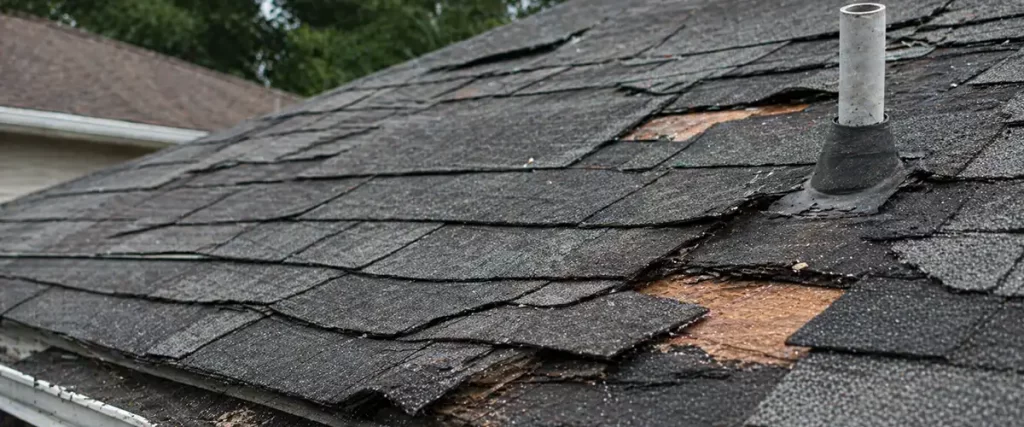
Poor workmanship from an unlicensed roofer leaves you with limited legal recourse. In many states, contracts with unlicensed contractors for work requiring licensure are considered void. That means the agreement you signed may not be enforceable, which cuts both ways: you might not be able to compel the contractor to fix anything, and the process of recovering costs becomes a long, expensive legal exercise with no guaranteed outcome.
A licensed contractor operates under professional standards and is subject to oversight from a licensing board. They also have a business reputation and certifications worth protecting. Accountability exists in a way it simply doesn’t with unlicensed workers.
Manufacturer certifications matter more than most homeowners know
Top roofing manufacturers only extend their strongest warranties when materials are installed by certified contractors following approved methods. Braga Brothers, for example, holds GAF Master Elite certification, a designation held by fewer than 2% of roofers in the U.S., which unlocks enhanced warranty coverage that standard installations don’t qualify for.
When an uncertified contractor installs name-brand roofing products, those warranties can be voided entirely. You paid for the material protection and got none of it.
These are the situations where the initial savings from hiring cheap labor evaporate fast:
- Faulty flashing installation leads to leaks within a year, with no warranty to cover it
- Improper ventilation setup accelerates shingle deterioration and raises energy bills
- Skipped underlayment steps compromise the roof deck during the first serious winter
- Unpermitted tear-off triggers disclosure requirements when the house sells
- No workers’ comp on the crew means a rooftop injury becomes your liability
How to actually verify a contractor before you commit
Plenty of homeowners have hired an unlicensed contractor by accident, usually through a word-of-mouth referral or a low bid that seemed competitive. Here’s what to do before signing anything:
Ask for the contractor’s registration number and verify it directly through your state’s licensing board. In New Jersey, that’s the Division of Consumer Affairs. Request a certificate of insurance, not just a verbal assurance, and confirm the policy is current and the business name matches exactly. Ask who will pull the permits. A properly licensed contractor does this themselves.
If any of that prompts resistance or vague answers, keep looking.
Once you understand what a licensed contractor actually brings to a roofing project, it’s hard to see the unlicensed route as a real option. You can read more about what a quality roof repair involves on our roof repair page, and if you’re weighing whether to repair or replace entirely, our roof replacement page walks through what that process looks like with a properly credentialed team.
FAQ
Can I check if a contractor is registered in New Jersey?
Yes. The New Jersey Division of Consumer Affairs maintains a searchable database of registered Home Improvement Contractors. Look up any contractor before work begins.
Does being licensed guarantee quality work?
Licensing sets a floor for accountability, not a ceiling for quality. But a licensed contractor can be held responsible through regulatory channels if something goes wrong. An unlicensed one cannot.
What if an unlicensed contractor does good work?
Even clean work done without permits can create complications when you sell the house or file an insurance claim. The risk doesn’t disappear just because the installation looked fine.
Does homeowners’ insurance cover damage from unlicensed work?
Not reliably. Many policies specifically exclude damage related to work performed by unlicensed or uninsured contractors.
Honestly? Just call us.
Reading through licensing requirements, insurance certificates, permit processes, and manufacturer warranty fine print takes real time. Most homeowners just want a roof that works and a contractor they can trust.
Braga Brothers is registered, insured, GAF Master Elite certified, and has been doing this in New Jersey since 1988. Call us at (732) 888-3892 or message us here, and we’ll make the process straightforward from the first conversation.