
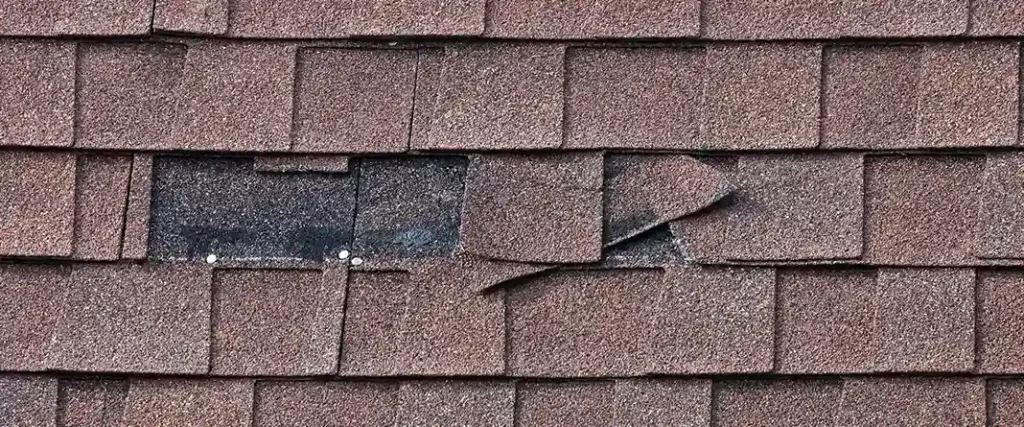
Missing shingles are not just a cosmetic problem. Once a shingle is gone, the layer underneath is exposed to rain, wind, sun, and ice. One missing shingle may not mean you need a full roof replacement, but it should be repaired quickly before water reaches the roof deck or attic.
If you notice shingles in the yard, dark patches on the roof, exposed nail heads, or light coming through the attic, do not wait for the next storm to see what happens. The safest move is to document the damage, protect the area if rain is coming, and have the roof inspected before a small repair turns into water damage.
What to Do If Shingles Are Missing From Your Roof
Start with the simple checks first. Look at the roof from the ground, check the attic if you can access it safely, and take photos of the missing shingles, exposed areas, ceiling stains, or water marks.
If rain is coming, temporary protection may be needed to keep water out until the repair is done. Do not climb onto a steep, wet, icy, or storm-damaged roof. Missing shingles are usually a straightforward repair when caught early, but the risk goes up once water gets under the surrounding shingles or into the roof deck.
Call a roofer if you see more than one missing shingle, damage across multiple roof sections, exposed underlayment, active leaking, soft decking, or shingles lifting around the missing area.
Why Roof Shingles Go Missing
Roof shingles usually go missing because something has weakened their seal, fasteners, or surrounding materials. Wind is often the final push, but age, heat, poor installation, and previous storm damage usually set the problem up first.
1. Wind Does Most of the Damage
High winds can lift shingles that are loose, brittle, or no longer sealed properly. New shingles have adhesive strips that bond them down once heat activates them. Older shingles lose that bond over time.
Once wind gets under the edge, it can lift the shingle, crease it, crack it, or tear it off completely. Even shingles that look fine from the ground can be loose enough to fail during the next storm.
2. Age Makes Everything Worse
Shingles get more brittle as they age. Sun exposure, temperature swings, rain, snow, and attic heat all wear down the asphalt over time. The granules loosen, the shingle dries out, and the material stops flexing the way it should.
A newer roof can usually handle normal wind and weather. An older roof with brittle shingles is much more likely to lose pieces during the same storm.
3. Installation Problems Show Up Later
Some missing shingles come from installation mistakes. Nails may have been placed too high, too low, or not driven correctly. The wrong fasteners may have been used. Starter strips may have been skipped or installed poorly.
Those shortcuts may not show up right away. They usually appear later, when wind, rain, and temperature changes start testing the roof.
What Happens When Your Roof Has Missing Shingles
| Immediate Risk | What Actually Happens | Timeline |
|---|---|---|
| Water entry | Rain can reach exposed underlayment and roof decking. | Hours to days after rain |
| Wood rot | Moisture sits in the roof deck and starts breaking down the wood. | Weeks to months |
| Attic damage | Water drips into insulation and reduces its effectiveness. | Days to weeks |
| Ceiling stains | Moisture reaches drywall and leaves brown stains inside the home. | Weeks to months |
| Structural damage | Long-term moisture weakens decking, framing, and roof support. | Months to years |
Your roof deck is not meant to be directly exposed to weather. Underlayment provides some backup protection, but it is not a permanent waterproofing system. Shingles are the first line of defense.
Once shingles are missing, water can move under the surrounding shingles, spread across the deck, and show up somewhere completely different inside the home. That is why the ceiling stain is not always directly under the missing shingle.
The Federal Emergency Management Agency notes that proper roof maintenance prevents the majority of water damage claims. Missing shingles qualify as a maintenance issue that needs immediate attention.
How to Spot Missing Shingles Before Leaks Start
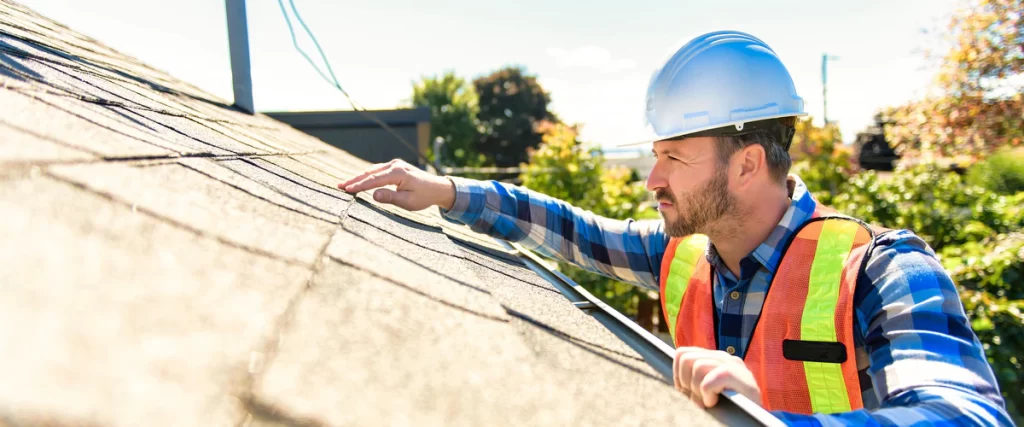
Walk around your house after storms and look up. Missing shingles create obvious dark spots where the underlayment or roof deck shows through. You might see shingles on the ground or stuck in gutters.
Check inside your attic on sunny days. Light coming through the roof boards means shingles are missing or damaged above that spot. Look for water stains on the roof decking or insulation. Moisture indicates water is getting past your shingles somewhere.
Professional roof inspections catch problems you miss from the ground. Contractors walk the roof and spot lifted shingles, damaged areas, and weak spots that’ll fail soon. Annual roof inspections identify issues before they become emergencies.
Can You Replace Missing Shingles Yourself?
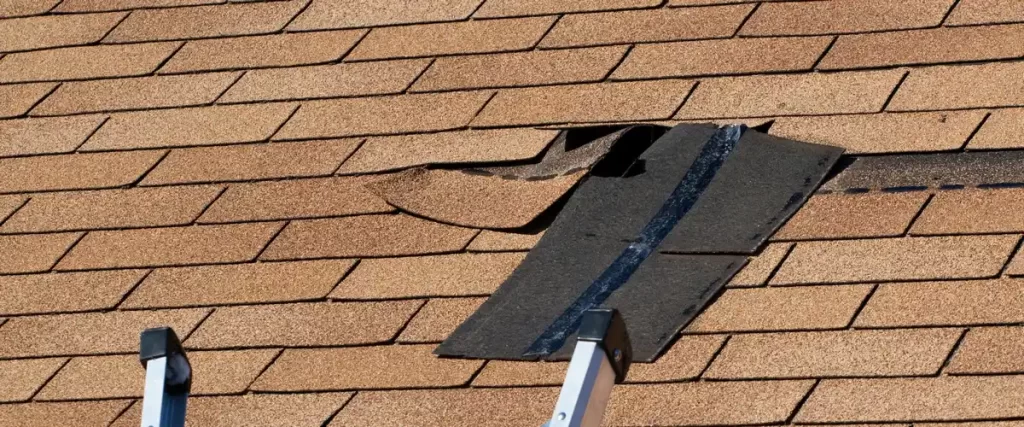
If it is one or two shingles on a low, easy-to-access roof, some homeowners may be able to handle a small repair. You would need matching shingles, roofing nails, roofing cement, and the ability to lift the surrounding shingles without cracking them.
The problem is that the repair is not always as simple as sliding in a new shingle. The roof deck may be wet. The underlayment may be torn. Nearby shingles may be brittle. The replacement shingle may not match. And working on a roof is always a fall risk.
If the roof is steep, high, wet, icy, storm-damaged, or hard to access safely, do not climb on it.
When to Call a Roofer
Call a roofer if you see several missing shingles, repeated shingle loss after storms, exposed underlayment, active leaking, attic moisture, or damage near valleys, vents, chimneys, or flashing.
You should also get the roof checked if it is older and starting to lose shingles in different areas. That can mean the roof is reaching the end of its useful life, not just dealing with one isolated repair.
A roofer can inspect the missing shingles, check the surrounding area, look for hidden water damage, and tell you whether a repair is enough or whether the roof has a bigger problem.
The Real Cost of Ignoring Missing Shingles
Replacing a few shingles costs a few hundred dollars. Fixing a leak that developed because you waited costs more. Repairing a rotted roof deck costs significantly more. Replacing damaged ceilings, insulation, and framing after extensive water damage reaches thousands.
The longer you wait, the more expensive it gets. Missing shingles don’t fix themselves. They let more water in. That water causes more damage. The damage spreads and worsens. Insurance companies often deny claims for damage that resulted from neglected maintenance.
Plus there’s the stress factor. Living with a roof you know is failing. Worrying every time rain comes. Watching for new leaks. Dealing with buckets and tarps. Just fix it and move on with your life.
How to Prevent Missing Shingles in the Future
You cannot stop every storm, but you can reduce the risk.
Keep gutters clean so water does not back up under the roof edge. Trim branches that scrape or drop debris onto the roof. Make sure the attic is properly ventilated so heat does not cook the shingles from underneath. After major wind or hail, walk around the house and look for obvious damage.
A roof inspection can also catch loose, lifted, or damaged shingles before they disappear completely.
Questions Homeowners Ask While Staring at Their Roof
How fast do I need to replace missing shingles?
As soon as possible. You can survive a few days if weather is clear, but don’t push it. The next rain could cause damage that costs more to fix than the shingles themselves. If storms are forecast, get temporary protection up at minimum. Tarps aren’t ideal but they’re better than exposed roof deck.
Can I just put new shingles over the damaged area?
If the underlayment and roof deck are still in good condition, yes. If water already got through and caused damage underneath, those repairs need to happen first. A contractor assesses what’s happening below the surface before patching things up.
Will my insurance cover this?
Depends on the cause. Storm damage usually gets covered. Gradual deterioration from age and lack of maintenance typically doesn’t. File a claim if you believe the damage resulted from a covered event. Document everything with photos and get a professional assessment to support your claim.
How do I prevent this from happening again?
Regular maintenance catches problems early. Keep gutters clean so water drains properly. Ensure proper ventilation in your attic to prevent heat buildup. Have your roof inspected annually, especially after major storms. Replace your roof when it reaches the end of its expected lifespan rather than patching endlessly.
Maybe Just Call Someone Instead
You’ve learned about wind damage, installation problems, water infiltration, wood rot, and all the ways missing shingles escalate into bigger issues. You understand the risks and the timeline. Now you’re supposed to climb on your roof with replacement shingles and fix this yourself?
We handle missing shingle repairs across New Jersey. We assess the damage, check for underlying problems you can’t see from the ground, and fix everything properly so the problem doesn’t come back after the next storm.
Call us at (732) 888-3892 or message us here. We’ll inspect your roof, show you what’s going on, and replace those missing shingles before water causes expensive damage.
We work safely, use quality materials, and make sure your roof keeps water out the way it’s supposed to.
Missing shingles seem like small problems until they’re not. Let’s fix them while they’re still small.