
Most of the time, your roof handles everything Mother Nature throws at it just fine. But sometimes damage sneaks up on you, and by the time you notice, you’re dealing with water stains on your ceiling or calling around for emergency repairs at 10 PM on a Saturday.
Let’s talk about the five main ways roofs get damaged, what to watch for, and how to keep small problems from turning into wallet-draining disasters.
1. Wind Damage Strips Your Protection Away
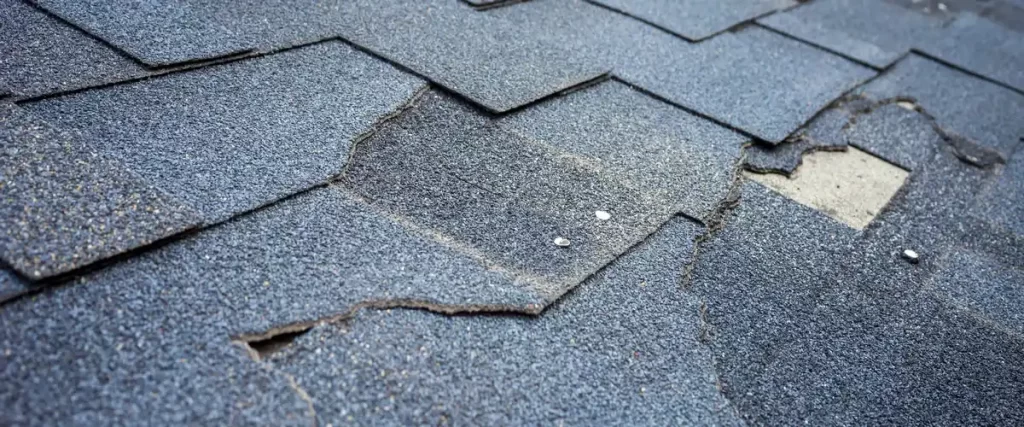
Wind is sneaky. It doesn’t just blow things over; it gets underneath your shingles and lifts them up. Once the seal breaks, shingles can tear, crack, or disappear entirely.
After a major storm, you might find missing shingles scattered across your yard or stuck in your gutters. Sometimes the damage is harder to spot. Loose shingles might still be attached but flapping slightly, which means they’re letting water underneath. That’s how roof leaks start.
Strong gusts also turn tree branches into battering rams. Overhanging tree limbs scrape against your roof surface during every windstorm, wearing down the protective granules on asphalt shingles. Over time, this constant friction destroys underlying materials and shortens your roof’s lifespan significantly.
2. Hail Damage Beats Your Roof Into Submission
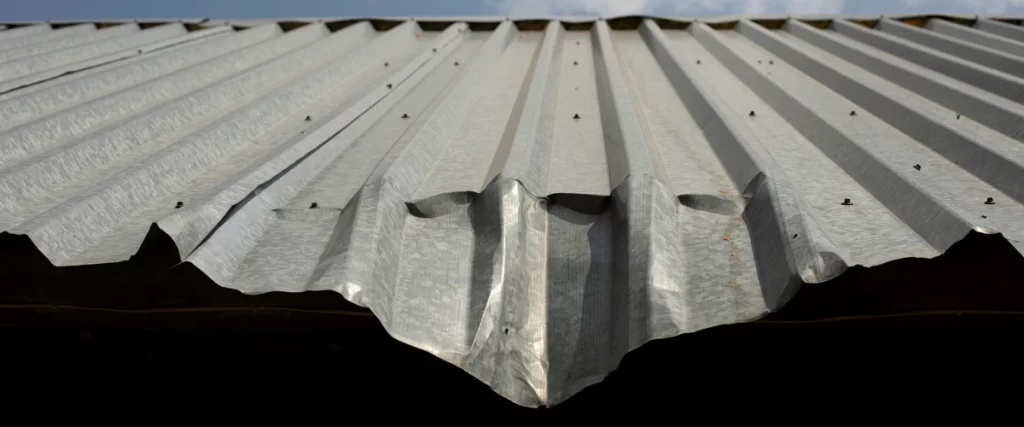
Hailstorms are rough. Ice chunks falling from the sky at high speed dent, crack, and puncture roofing materials. The weird thing about hail damage is that it sometimes looks fine from the ground, but up close ,it’s obvious your roof took a serious hit.
Look for these signs after a hailstorm:
- Dents in metal roof vents, flashing, or gutters
- Bruised or cracked shingles that feel soft when pressed
- Missing granules expose the black asphalt underneath
- Dented air conditioning units or outdoor equipment
Hail creates what professional roofers call “functional damage.” Your roof might not leak immediately, but its integrity is compromised. Those damaged shingles will fail faster, especially when the next storm rolls through.
The National Weather Service tracks severe weather patterns and hail reports, which can help you document damage for your insurance claim if needed.
3. Ice Dams Turn Winter Into a Nightmare
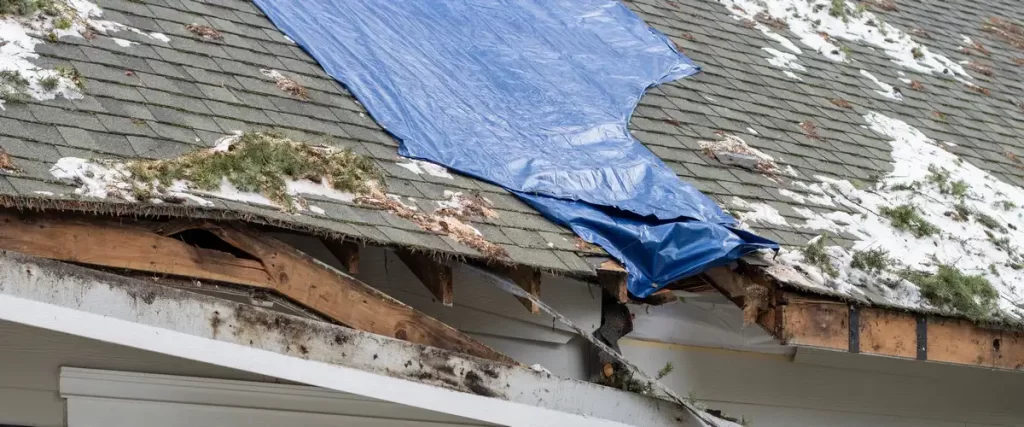
Ice dams form when heat escapes through your roof, melts snow, and that water refreezes at your roof eaves where it’s colder. This creates a literal dam of ice that blocks proper drainage. Water backs up, seeps under shingles, and finds its way into your home.
Improper roof ventilation is usually the culprit. When your attic doesn’t have proper attic ventilation, heat builds up and melts snow unevenly. Poor insulation makes it worse. The melting snow runs down to the colder edges, freezes solid, and suddenly you’ve got a ridge of ice at your roofline.
Ice dams cause multiple problems simultaneously. The backed-up water saturates your roof deck, seeps into walls, damages insulation, and can lead to serious mold and moisture problems inside your home. The weight of the ice can also pull gutters right off your house.
Preventing Ice Dam Formation
Better roof vents and proper roof ventilation solve most ice dam issues. An attic fan helps too. Make sure your attic stays cold in winter by sealing air leaks and adding insulation. Keep your gutters clean so water can drain freely when it does melt.
Tree branches hanging over your roof also drop debris that clogs drainage paths. Trim them back before winter hits.
4. Poor Installation Causes Problems From Day One
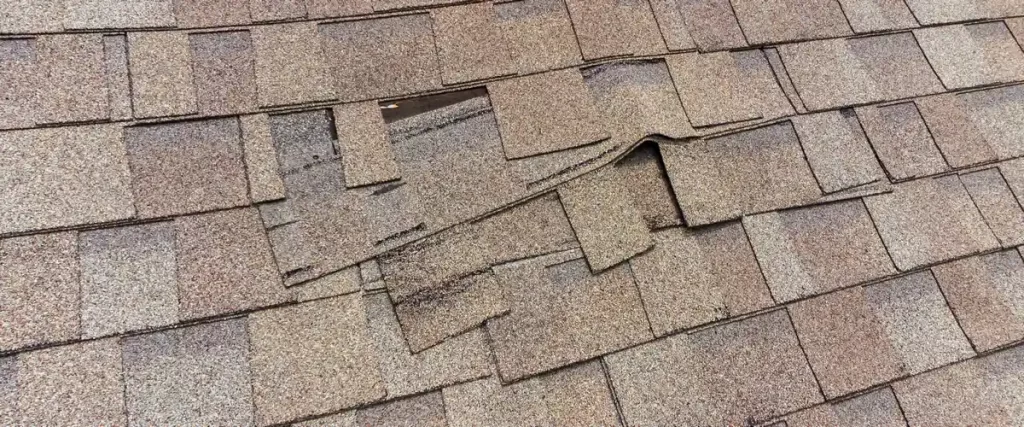
Sometimes, roof damage starts the moment installation finishes. Improper installation creates vulnerabilities that lead to premature failure, leaks, and expensive repairs down the road.
Common installation mistakes include:
- Incorrect nailing patterns that let shingles blow off easily
- Missing or improperly installed roof flashing around chimneys and vents
- Inadequate starter strips at the roof edges
- Poor ventilation design that traps heat and moisture buildup
- Shingles installed during the wrong temperature conditions
A roof inspection by a professional roofing contractor can spot these issues. If you’ve got an older roof and you’re seeing problems earlier than expected, installation quality might be the reason. Installing high-quality flashing matters just as much as the shingles themselves.
You can’t always tell if the installation was done right just by looking. That’s why hiring a professional roofing company with a solid reputation matters more than finding the cheapest bid.
5. Weathering and Age Break Everything Down Eventually
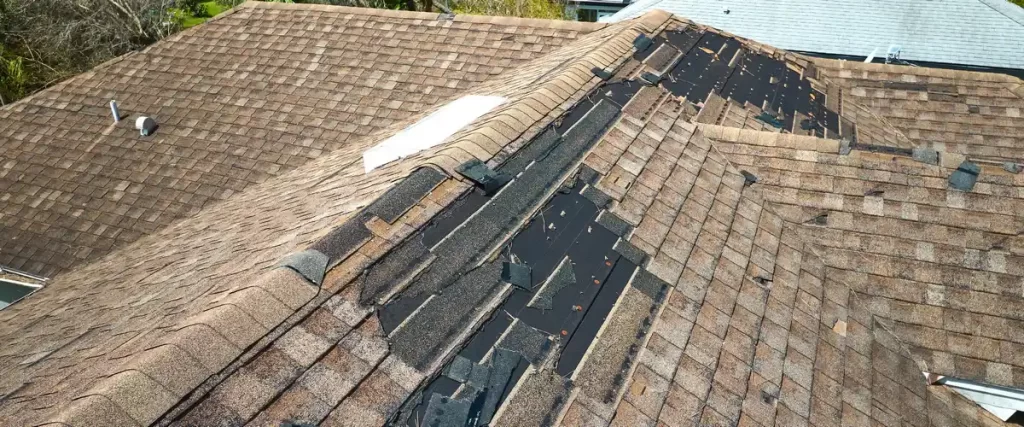
Time is undefeated. Every roof eventually succumbs to constant exposure, UV radiation, temperature swings, and the relentless cycle of wet and dry, hot and cold.
Sun exposure breaks down the asphalt in shingles. The protective granules start falling off. Colors fade. Shingles become brittle and crack. This happens faster in areas with excessive heat and intense sunlight.
Heavy rain wears away at everything gradually. Water finds microscopic cracks and makes them bigger. Moss and mold growth hold moisture against your roof surface, accelerating decay.
| Age Range | What to Expect |
| 0-10 years | Minor issues, mostly cosmetic |
| 10-15 years | Increased wear, occasional repairs needed |
| 15-20 years | Frequent problems, repair costs rising |
| 20+ years | Complete roof replacement often makes more sense |
Even synthetic roofing materials age, though they handle it better than traditional asphalt shingles. The key is catching age-related deterioration early through annual roof inspections before minor wear becomes structural damage.
How These Types of Roof Damage Combine
Here’s where things get messy: these types of roof problems rarely happen alone. Wind damage makes your roof vulnerable to water infiltration. Hail creates entry points for moisture. Poor ventilation accelerates aging and creates conditions for ice dams. Improper installation magnifies every other issue.
One damaged shingle becomes five. A small leak becomes water damage throughout your attic. Storm debris clogs your gutters, which contributes to ice dam formation next winter. Before you know it, you’re looking at a complete roof replacement instead of simple roof repairs.
Spotting Signs of Roof Damage Early
You don’t need to climb on your roof every weekend, but keep an eye out for warning signals:
Missing or cracked shingles visible from the ground mean something’s wrong. Check after severe storms, especially if you heard wind or saw hail.
Water stains on ceilings or walls indicate active leaks. Don’t wait on these. What you see inside is usually worse than it looks because water travels along beams and insulation before it drips through.
Clogged gutters full of shingle granules tell you your roof is shedding its protective coating. A few granules are normal, but if your gutters look like they’re full of coarse sand, your shingles are deteriorating.
Sagging sections anywhere on your roof mean the entire roof decking might be compromised. That’s an emergency situation requiring immediate professional attention.
Working With Your Insurance Company
Most homeowners’ insurance policies cover sudden storm damage, but not normal aging or maintenance issues. Document everything after a major storm. Take photos of affected shingles, storm debris, and any visible damage.
Many professional roofing contractors offer a free inspection after severe storms. They’ll assess the damage and help you determine if filing an insurance claim makes sense. Some damage looks minor but actually qualifies for coverage once a professional examines it closely.
Frequently Asked Questions
How long can I wait to repair roof damage?
Don’t. Small problems become big ones fast. Water damage spreads, mold grows, and structural issues develop. Get it checked within days, not weeks.
Can I prevent all types of roof damage?
No roof is indestructible, but regular roof maintenance helps. Keep gutters clean, trim trees, ensure proper ventilation, and get annual roof inspections. You can minimize roof damage significantly with basic upkeep.
Should I repair or replace after major damage?
It depends on your roof’s age and the extent of damage. If repairs cost more than 30% of replacement costs and your roof is already 15+ years old, replacement usually makes more sense financially.
What happens if I ignore roof damage?
The damage spreads. Water gets into your walls and ceilings. Mold develops. Insulation gets destroyed. Energy bills go up. Eventually, you’re paying for interior repairs plus a new roof instead of just fixing the original problem.
How do I find a trustworthy roofing contractor?
Look for licensed, insured companies with actual local presence. Check reviews. Ask for references. Avoid door-to-door storm chasers who show up after bad weather and disappear once they cash your check.
We’ll Sort Out the Tough Fixes for You
After reading about wind damage, hail impacts, ice dams, installation failures, and aging problems, you might be feeling a bit overwhelmed. And honestly? Roof damage is complicated. Diagnosing it accurately takes experience. Fixing it properly takes skill.
You’ve got better things to do than worry about whether that dark spot on your ceiling means your roof deck is rotting or if those curling shingles will make it through another winter.
At Braga Buildings, we deal with every type of roof damage you can imagine. Storm debris piercing through shingles? We’ve fixed hundreds. Ice dams destroying roof eaves? We know exactly how to prevent them. Wind ripping off entire sections? We can handle emergency repairs and full replacements.
We’ll inspect your roof thoroughly, explain what we find in terms that actually make sense, and give you honest recommendations about repair versus replacement. No pressure, no runaround, just straight answers about what your roof needs.
Call us at (732) 888-3892 or message us here, and we’ll schedule an inspection. We’ll figure out what’s wrong and fix it before it gets worse.
Want to learn more about our repair services? Check out our roof repair page for details on how we handle everything from minor fixes to major storm damage restoration.