
Your roof has one job. Keep everything dry. When it stops doing that, you’re stuck choosing between a quick fix and tearing the whole thing off and starting fresh.
Most homeowners face this decision at least once. A leak shows up after a storm, shingles go missing, or someone mentions your roof looks rough during a home inspection. Suddenly you’re getting estimates that range from a few hundred bucks to the price of a decent used car.
Here’s what actually matters when you’re trying to figure out if your roof needs repairs or a full replacement.
The Real Difference Between Fixing and Replacing
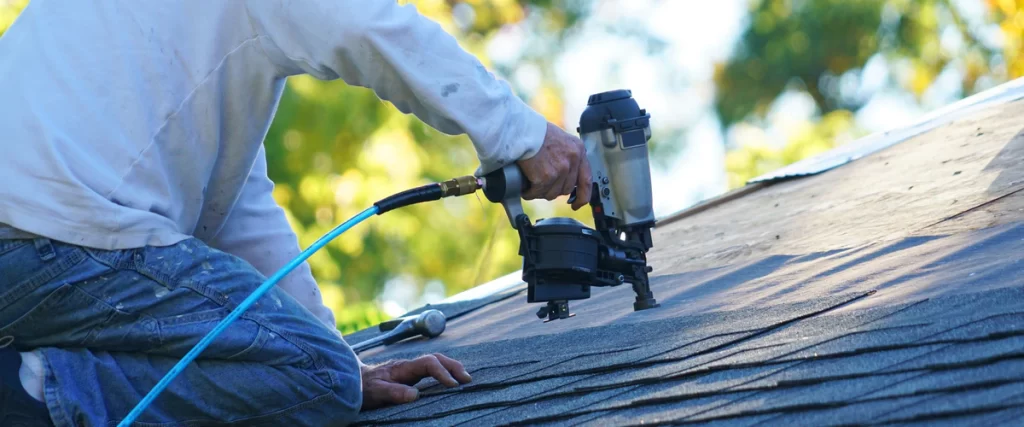
Roof repairs handle specific problems. A patch here, some sealant there, maybe swap out a few damaged shingles. You’re addressing what’s broken without touching the rest.
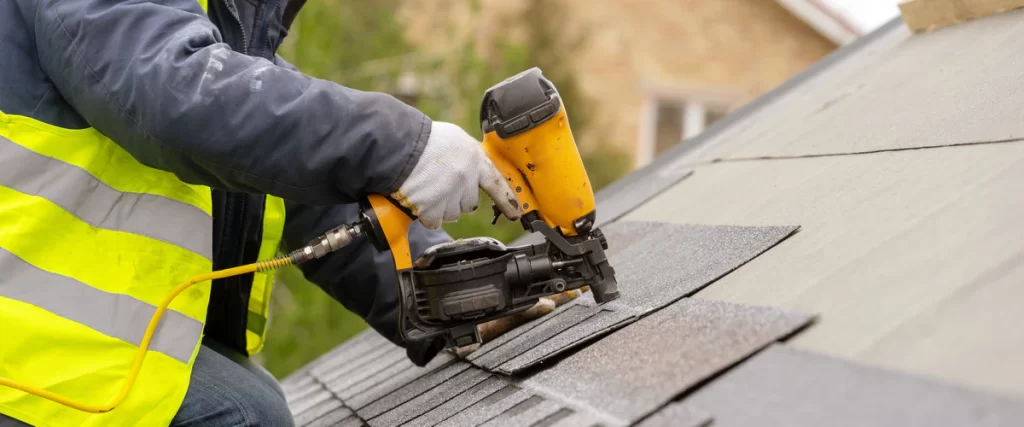
A complete roof replacement means everything comes off. Old shingles, underlayment, sometimes even the decking if water got that far. Then new roofing materials go on, and you’re starting from zero again.
The decision usually comes down to how much of your roof actually works versus how much is just hanging on.
When Repairs Make Sense
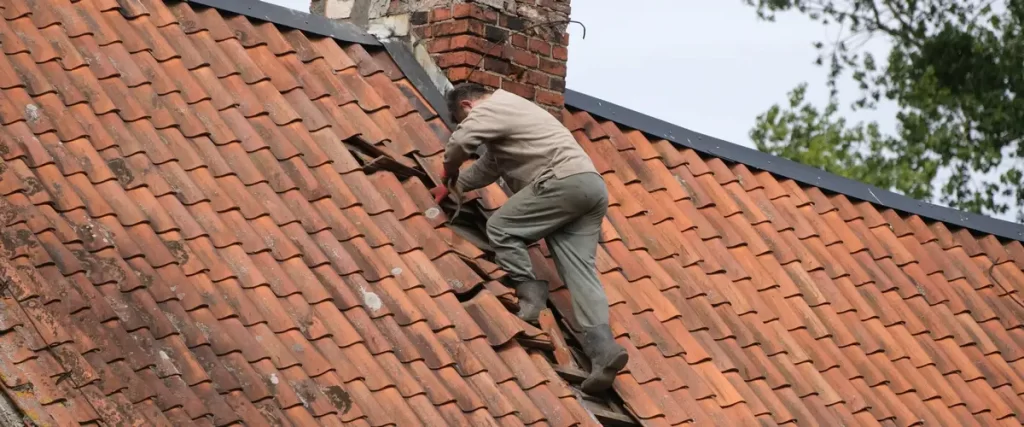
Small problems get small solutions. If you’ve got a few missing shingles after high winds, that’s a repair. One leak around a chimney? Also a repair. Damaged flashing that’s letting water in? Still a repair.
Most roof repairs handle:
- Isolated shingle damage
- Flashing issues around vents or chimneys
- Small leaks in one section
- Broken or cracked pipe boots
- Storm damage that didn’t spread
If your roof’s age is under 15 years and the damage sits in one spot, repairs usually work. You’re not spending money to fix the whole roof when 90% of it still protects your home.
A quick repair costs less upfront and gets completed faster than tearing everything off. You patch the problem, the leak stops, and your roof goes back to doing its job.
When You Need to Replace the Whole Thing
Some roofs are too far gone to patch. Multiple repairs over the years add up, and eventually you’re throwing money at a roofing system that’s running on borrowed time.
Signs your entire roof needs replacing:
- Shingles are curling, cracking, or showing bald spots across multiple sections
- Your roof’s age is past 20 years (asphalt shingles typically last 20-25 years)
- You’ve had repeated repairs in different areas
- Daylight shows through the roof boards from your attic
- Your energy bills climbed because insulation got compromised
- Sagging sections indicate structural damage underneath
When your current roof shows extensive damage or you’re past the expected lifespan, repairs become band-aids on a bigger problem. Water damage spreads. One leak turns into three. What starts as a small leak becomes rotted decking, moldy insulation, and costly repairs that exceed what a new roof would have cost in the first place.
The Department of Energy notes that a failing roof can increase heating and cooling costs by allowing conditioned air to escape, making replacement a smart investment for energy efficiency.
The Money Conversation Nobody Wants
| Factor | Roof Repair | Roof Replacement |
| Cost | $300 – $2,000 typically | $8,000 – $25,000+ depending on size and materials |
| Timeline | 1-3 days usually | 3-7 days for most homes |
| Lifespan Added | Fixes immediate problem | 20-30 years with new roofing system |
| Best For | Newer roofs with isolated damage | Roofs over 15-20 years or widespread issues |
| ROI | Minimal impact on home value | Increases resale value significantly |
Repairs cost less right now. Replacement costs more upfront but solves the problem for decades. The math depends on your roof’s condition and how long you plan to stay in your home.
If you’re selling soon and need to pass inspection, targeted repairs might make more sense. If you’re staying put for the next 10 years and your roof’s already 18 years old, replacement becomes the cost-effective choice in the long run.
What Actually Matters for Your Decision
Your roof’s lifespan: Asphalt shingles last about 20-25 years. Other roofing materials have different timelines. If you’re close to the end, replacement saves you from repeated repairs as things continue failing.
How many times you’ve called someone out: One repair is normal. Three repairs in two years means underlying issues that patches won’t solve.
What the rest of your home needs: If you’re planning other exterior work, replacing the roof at the same time makes sense. Contractors can coordinate, and you’re not dealing with construction twice.
How the next storm will treat you: A weak roof gets weaker. If your area faces harsh weather and your roof’s already compromised, replacement gives you actual protection instead of hoping repairs hold.
What a Trusted Roofing Contractor Should Tell You
Most homeowners expect contractors to push the expensive option. A trusted roofing contractor does the opposite. They climb up, look at everything, and tell you what your roof actually needs.
Good contractors show you the damage, explain why repairs will or won’t work long term, and give you options with real numbers. They don’t scare you into a new roofing system if your current roof just needs a few shingles replaced.
If someone quotes you without inspecting the attic, walking the roof, or checking for water damage inside, find someone else. Your roof’s condition requires more than a ground-level glance.
Questions People Actually Ask
How long do roof repairs last?
Depends on what got fixed and how old your roof is. A properly done repair on a newer roof can last years. The same repair on a 20-year-old roof might buy you two seasons before something else fails. Quality matters. So does the age of everything around the repair.
Can I just keep repairing instead of replacing?
You can, but it gets expensive and risky. Each repair costs money. If you’re spending thousands every couple years on multiple repairs, you’re approaching replacement cost anyway. Plus, an old roof with patches doesn’t protect as well as a new one. At some point, you’re just delaying what has to happen.
Will a new roof actually increase my home value?
Yes. Real estate data shows roof replacement recoups around 60-70% of cost in added home value. More importantly, buyers feel confident making offers on homes with newer roofs. Nobody wants to buy a house and immediately spend $15,000 on a roof. A recent replacement removes that concern and often leads to faster sales.
What if I can’t afford a full replacement right now?
Strategic repairs can buy you time if the damage isn’t widespread. Fix what’s actively leaking, address the worst sections, and plan for replacement when your budget allows. Just understand you’re managing risk. The longer you wait on a roof that needs replacing, the more likely additional damage occurs that costs more to fix later.
Maybe Just Let Someone Else Figure It Out
Reading about roof repair vs replacement is one thing. Climbing on your roof, checking for structural damage, measuring your roof’s life left, and deciding what makes financial sense is something else entirely.
We handle this decision for homeowners across New Jersey every week. We inspect roofs, explain what we find, and give you actual options based on your roof’s condition and your plans for the home. Sometimes that means a simple repair. Sometimes it means a complete roof replacement that solves the problem for the next 20 years.
You can call us at (732) 888-3892 or message us here. We’ll come out, look at your roof, and tell you what it needs. No pressure, no games, just someone who knows roofing giving you straight information.
If you want to learn more about what goes into a complete roof replacement and what materials work best for New Jersey weather, check out our roof replacement service page.
Your roof protects everything underneath it. Let’s make sure it can actually do that job.