
Your roof can carry quiet damage for years before announcing itself through a visible leak. Most asphalt shingle roofs last between 20 and 30 years, and when they start to fail, the warning signs are easy to explain away.
Spot them early, and a roof replacement stays manageable. Wait too long and water damage, mold, and rotted wood decking turn one project into three. Recent roofing industry data shows that 33% of homeowners replace their roofs because of leaks, with roughly 5 million roofs installed across the country every year. You are almost certainly not the first on your block to face this.
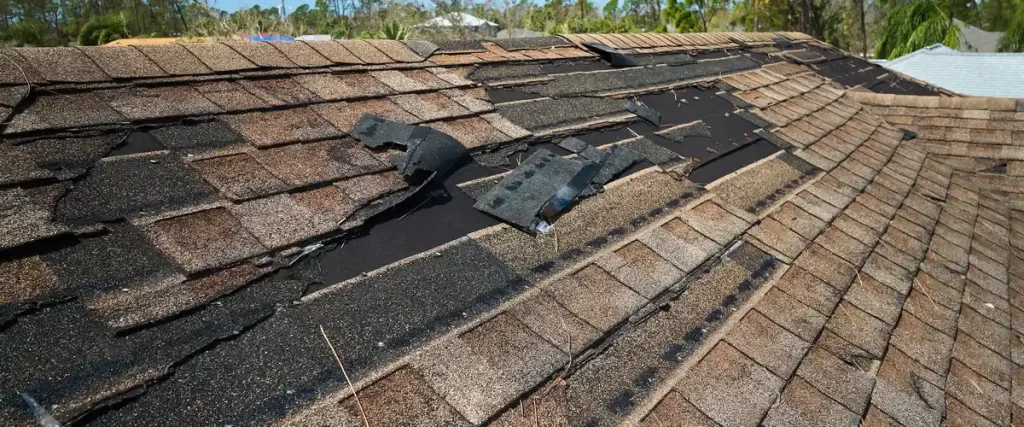
The biggest signs you may need a new roof are widespread shingle damage, heavy granule loss, recurring leaks, sagging roof decking, daylight in the attic, water stains inside the home, and a roof that is already 20+ years old.
One small issue does not always mean full replacement, but several signs showing up at once usually mean repairs are no longer the best long-term fix.
20 Signs Your Roof May Need Replacing
| # | Sign | What It Points To |
|---|---|---|
| 1 | Roof is 20+ years old | At or past the expected lifespan for most asphalt shingles |
| 2 | Missing shingles | Exposed roof deck with immediate water entry risk |
| 3 | Curling or cupping shingles | Heat cycles and trapped moisture causing advanced wear |
| 4 | Granules building up in gutters | Protective coating shedding off the shingle surface |
| 5 | Bald spots on shingles | Raw asphalt exposed to UV, deteriorating faster |
| 6 | Daylight visible from the attic | Structural gaps inviting water and pests |
| 7 | Sagging roof deck | Moisture has compromised the wood decking underneath |
| 8 | Recurring roof leaks | Patching is no longer keeping up with the damage |
| 9 | Water stains on interior ceilings | Moisture has already reached your living space |
| 10 | Mold or mildew in the attic | Ventilation and waterproofing have both broken down |
| 11 | Moss growth on shingles | Trapped moisture quietly working under shingle edges |
| 12 | Dark streaks across the surface | Algae growth feeding on and weakening your roofing materials |
| 13 | Peeling paint near the roofline | Moisture migrating downward from a failing roof |
| 14 | Damaged or missing flashing | Easy water entry at chimneys, vents, and joints |
| 15 | Shingles lifting in high winds | Adhesive strips and fasteners have given out |
| 16 | Spiking energy bills | Poor attic ventilation from a deteriorating roofing system |
| 17 | Musty smells inside the house | Moisture sitting in walls or the attic already |
| 18 | Rotting roof boards | The structural layer beneath the shingles is failing |
| 19 | Gutters pulling away from the fascia | A sign of rot or water damage right behind them |
| 20 | Neighbors getting new roofs | Homes from the same era tend to hit failure around the same time |
A single missing shingle may only need a repair. But when age, leaks, granule loss, and visible wear start stacking up, the roof is usually telling you it is near the end.
The Signs Homeowners Explain Away (And Shouldn’t)
Peeling paint near the roofline. A faint musty smell in the upstairs bedroom. A water stain that appeared in January and seemed to dry up by spring.
These feel minor, and they get filed away under “I’ll keep an eye on it.” The problem is that by the time any of them show up, moisture has already done real work. Peeling paint near the roofline typically means water is escaping through the roof and traveling downward along the wall framing. That musty smell is mold or mildew that has taken hold somewhere in the attic.
A water stain that “went away” was seasonal. It will return.
Granule loss is another one people underestimate. If you’re cleaning your gutter system and pulling out dark, gritty buildup, those are granules from your asphalt shingles. They serve as UV protection and surface armor for the shingle. Once they shed at volume, deterioration accelerates quickly.
Moss growth is slower but serious. It traps moisture against the shingle surface and works its way under edges, creating new pathways for water. Algae growth shows up as dark streaks across the roof face and, while slightly less destructive, still signals a roofing system under real strain.
When inspecting your roof, these are the things worth examining closely:
- Shingle edges curling upward or downward, known as cupping and curling, both indicate moisture infiltration or heat damage
- Bald patches where granules are completely gone and raw asphalt is exposed to the elements
- Flashing around chimneys, vents, and skylights that is pulling away, cracking, or showing visible rust
- The attic ceiling and rafters, checking for soft spots, dark discoloration, or any visible daylight coming through
When a Repair Stops Making Sense
Targeted roof repair handles isolated damage well on a roof that’s otherwise sound. But frequent leaks in different locations, shingles that keep lifting, and a roof already past its 20-year mark are signs the material itself has broken down broadly. Patching one section pushes water toward the next weak spot.
At that stage, repair costs stack up fast, and a full replacement still arrives within a year or two. One honest inspection from a roofing professional will tell you which situation you’re in.
A Note on Financial Help
If storm damage, high winds, or severe weather caused your roof problems, your homeowners insurance policy may cover some or all of the replacement cost. Document everything with photos before any repairs begin, then contact your insurance company with that record. The USA.gov home repair assistance page also lists federal and state programs that can help homeowners manage the cost of major repairs when finances are tight.
FAQ
- How do I know if I need a full replacement versus spot repairs? If damage is limited to one area and the rest of the roof is structurally solid, repairs are usually the right call. If problems are showing up in multiple areas or the roof is past its expected lifespan, a full replacement tends to be more cost effective over time.
- Can I put new shingles directly over old ones? It’s possible in some cases, but a full tear-off allows contractors to inspect the roof deck underneath. Re-roofing over damaged or rotted wood decking just delays bigger problems.
- Will replacing my roof improve my home’s value? Significantly. A new roof improves curb appeal, boosts buyer confidence, and affects how your homeowners insurance company prices your coverage. Potential buyers pay close attention to roof age.
- What’s the best time of year for a roof replacement? Late spring through early fall is ideal, especially in the Northeast. Shingle adhesives need warmth to seal properly. That said, damaged roofs get replaced year-round when weather conditions don’t allow for waiting.
You’ve Already Done the Homework
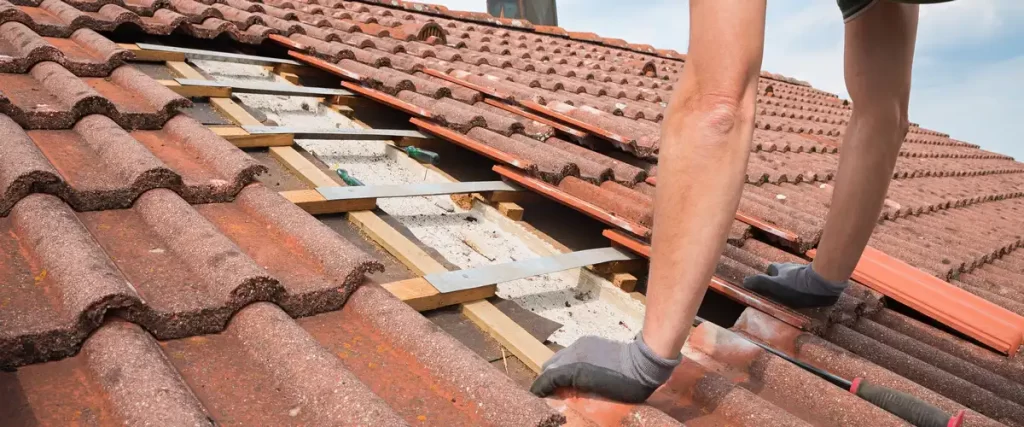
Going through 20 signs of roof failure is a worthwhile exercise, and it’s also a lot to hold in your head while you’re shining a flashlight around your attic. Between checking granules, eyeballing flashing, and figuring out what a ceiling stain is actually telling you, most homeowners are ready to hand this off to someone who handles it daily.
If the signs are adding up, our roofing services can help you compare repair, replacement, and financing options before the damage gets worse.
Braga Brothers has been replacing and repairing roofs across New Jersey for over 30 years. If anything on this list sounded familiar, the next step is a straightforward one. Take a look at our roof replacement services, then reach out. Call us at (732) 888-3892 or message us here.