
Ever stared at your roof and wondered what those shingles are actually made of?
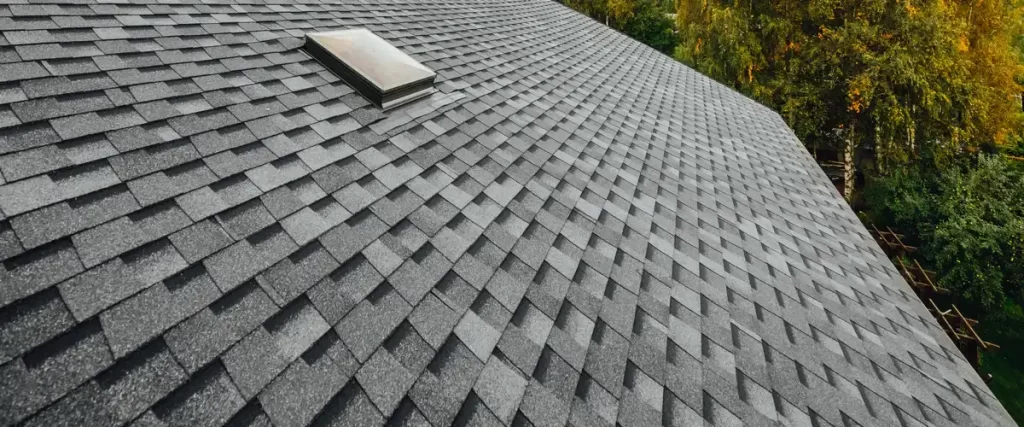
Most shingles on homes today are asphalt shingles, but they are not made from asphalt alone. A modern asphalt shingle is usually built around a fiberglass mat, coated with asphalt for water resistance, reinforced with mineral fillers, topped with ceramic-coated stone granules, and finished with a sealant strip that helps each row bond to the next once it is installed.
The fiberglass gives the shingle its structure, the asphalt helps shed water, the granules protect it from sunlight and weather, and the sealant helps keep the roof locked down when wind and rain hit.
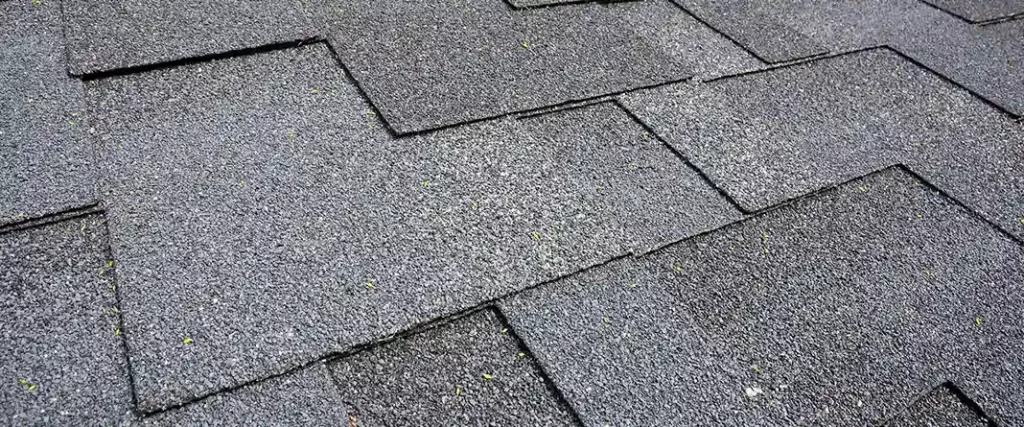
What’s Inside a Modern Shingle
| Part of the shingle | What it does |
|---|---|
| Fiberglass mat | Gives the shingle strength, shape, and fire resistance without making it too heavy |
| Asphalt coating | Helps the shingle shed water and stay flexible through weather changes |
| Mineral fillers | Add weight, durability, and stability |
| Ceramic-coated granules | Protect the asphalt from UV rays, add color, improve fire resistance, and help reduce algae staining in some shingles |
| Sealant strip | Helps each row of shingles bond together after installation |
| Backsurfacing or release film | Keeps shingles from sticking together while they are packaged |
From the ground, shingles can look like simple flat pieces. Up close, they are more like a layered roofing product. Each part has a job, and the full system is what helps the roof handle rain, sun, wind, heat, cold, and everyday wear.
Older asphalt shingles were sometimes made with an organic base mat from cellulose fibers, recycled paper, or wood fiber. You do not see those used much anymore.
Most asphalt shingles installed today use fiberglass because it is lighter, more fire-resistant, and easier to manufacture consistently.
Types of Asphalt Roofing Shingles
The roofing industry has gotten creative with asphalt. You’ve got options ranging from basic to surprisingly fancy.
3-tab shingles are the simplest and most cost-effective. They’re a single layer with a flat appearance. They get the job done, but they’re pretty basic-looking and don’t last as long as other asphalt shingle options.
Dimensional shingles (also called architectural shingles or laminated shingles) use two layers bonded together. This double layer creates depth and shadow lines that mimic the look of more expensive materials like wood shake or slate. Most homeowners go this route because they look better and last longer than 3-tab versions.
Luxury asphalt shingles (sometimes called designer shingles) take things up another notch. They’re thicker, heavier, and designed to replicate high-end roofing materials. Some luxury shingles are nearly identical to slate tiles from the ground. They cost more, but the curb appeal boost is real.
Beyond Asphalt: Other Shingle Materials
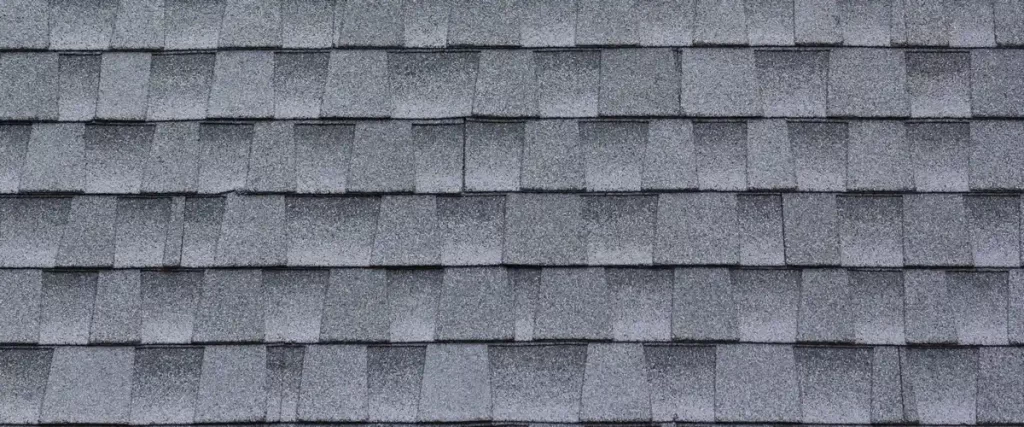
Asphalt dominates, but it shares the market with several other materials that each bring something different to the table.
| Material | Lifespan | Fire Rating | Weight | Cost |
| Asphalt (3-tab) | 15-20 years | Class A | Light | $ |
| Architectural Asphalt | 25-30 years | Class A | Medium | $$ |
| Wood Shakes | 20-40 years | Varies | Medium | $$$ |
| Metal | 40-70 years | Class A | Light-Medium | $$$ |
| Slate | 75-100+ years | Class A | Very Heavy | $$$$ |
| Synthetic | 40-50 years | Class A | Light | $$$ |
Wood Shingles and Wood Shake Shingles
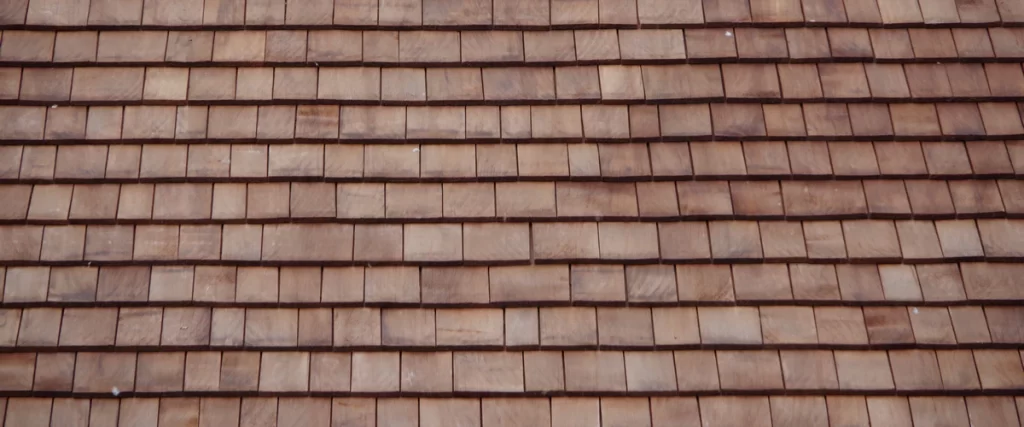
Wood shingles are machine-cut for uniformity, while wood shake has a hand-split, rustic look. Both are typically made from cedar, redwood, or southern pine. They’re gorgeous, smell amazing when new, and give homes a natural, timeless appearance.
The catch? They require more maintenance than asphalt roofing. Algae growth can be an issue in humid climates. Fire rating can be a problem, too, though some manufacturers treat the wood to improve fire resistance. The National Fire Protection Association provides standards for fire-resistant roofing materials that wood products must meet in certain high-risk areas.
Metal Roofing Shingles
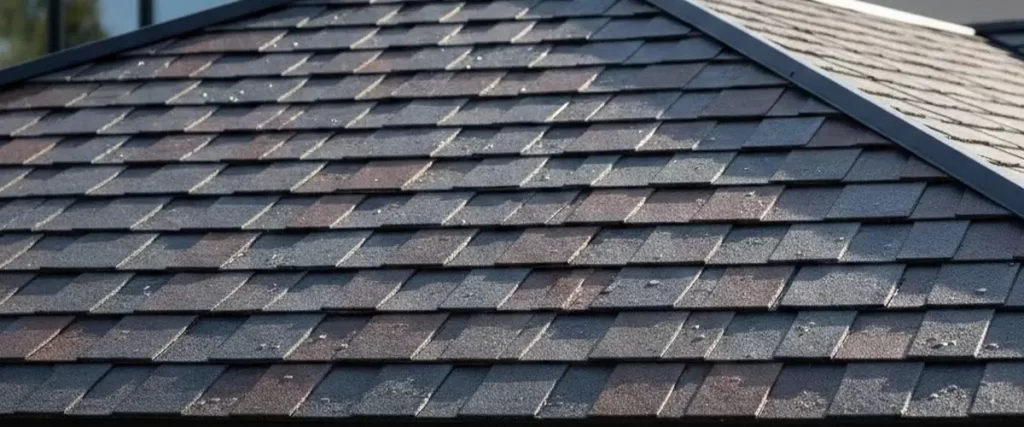
Metal shingles come in aluminum, steel, copper, or zinc. A metal roofing system can last decades longer than asphalt, reflects heat to improve energy efficiency, and handles extreme weather like a champ. Modern metal shingles are manufactured to look like other shingle types, so you’re not stuck with that industrial vibe.
The extra weight compared to basic asphalt means your roof structure needs to support it, but metal is still lighter than materials like slate. Installation costs more upfront, but the durability often makes metal roofing shingles worth it long-term.
Slate Roofing
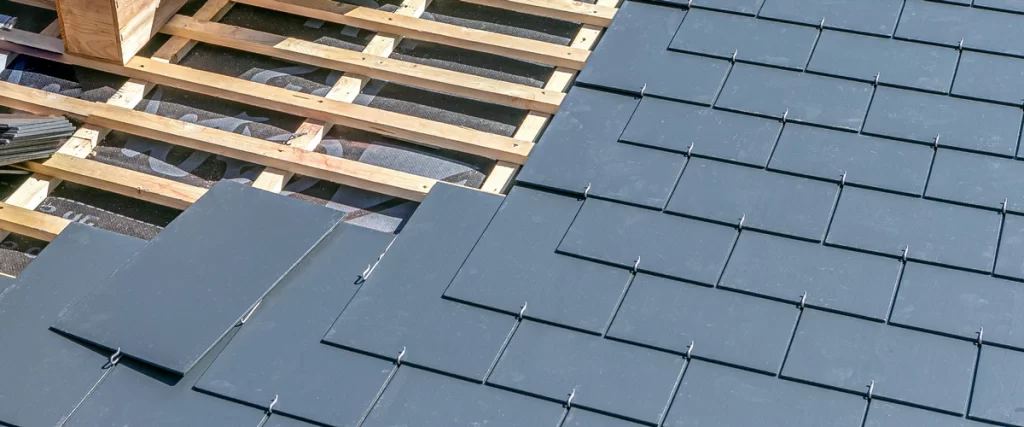
Slate tiles are literally cut from stone. They’re heavy, expensive, and will probably outlive your house. A close-up reveals the natural texture and color variations that make each roof unique. Slate comes in natural colors like gray, green, purple, and black.
The catch with slate is the extra weight. Your home needs proper structural support, and installation requires a contractor who knows what they’re doing. But if you want a roof that lasts a century, slate makes the most sense.
Synthetic Shingles
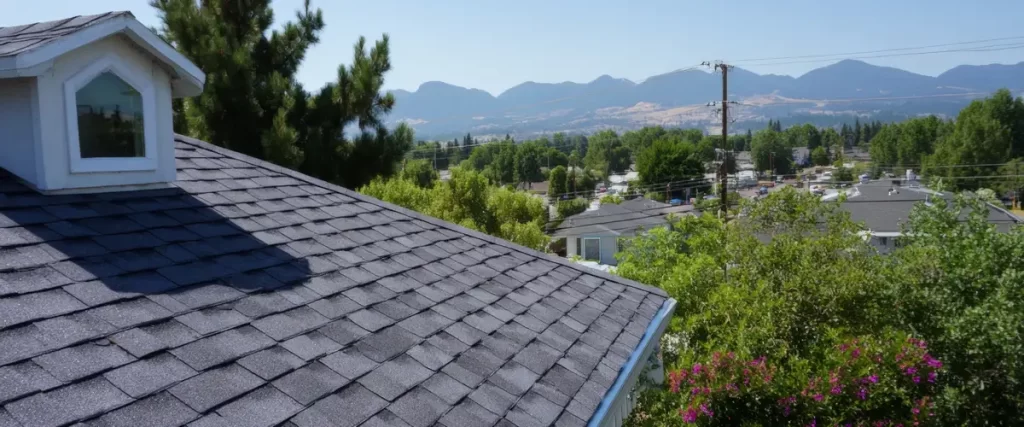
Composition shingles or synthetic shingles are engineered from recycled materials and polymers. They mimic the look of slate, wood shake, or other natural materials without the drawbacks. They’re lighter, easier to install, and often come with impressive warranties.
Synthetic shingles resist impact, fire, and weather better than many natural materials. They’re gaining popularity as technology improves and more color options become available.
What Goes Into Making Shingles Durable
Manufacturers keep tweaking formulas to make shingles last longer and perform better. Here’s what contributes to a quality shingle:
The fiberglass base provides tensile strength so shingles don’t tear in high winds. The asphalt coating creates that waterproof seal that keeps rain from destroying your roof deck. Those mineral granules on top do serious work: they protect the asphalt from UV rays, add fire resistance, and determine what your roof looks like from the street.
Some manufacturers add features like algae-resistant granules to prevent those ugly black streaks. Others focus on impact resistance for areas that get hail. The best shingles balance all these factors to protect your home year after year.
Choosing the Right Shingle Material
So what makes the most sense for your roof? Honestly, it depends on your budget, your climate, and what you value.
Most homeowners pick architectural asphalt shingles. They’re affordable, durable enough for most climates, and available in many different colors to match any home style. If you’re planning a roof replacement soon, they’re probably your best bet unless you have specific needs or a bigger budget.
Metal roofing shingles make sense if you live somewhere with harsh weather or you want to maximize durability and energy efficiency. The higher cost evens out when you consider how long they last.
Wood shake shingles work beautifully on certain architectural styles, but you need to commit to the maintenance. They’re a lifestyle choice as much as a roofing option.
Slate and luxury shingles are for people who want the absolute best, plan to stay in their home long-term, or need to maintain a historic property’s authentic look.
Frequently Asked Questions
Can different shingle materials be mixed on one roof?
Technically, yes, but why would you? Mixing materials creates installation headaches, looks odd, and can cause issues with roof repair down the line. Stick with one material across your entire roofing system.
Do darker shingles wear out faster?
Dark colors absorb more heat, which can accelerate aging slightly. But modern shingles are designed to handle it. The difference is minor compared to factors like ventilation and installation quality.
Are recycled shingles as good as new ones?
When we talk about recycled materials in shingles, we usually mean the synthetic or composite variety. These are manufactured products using recycled content, and they perform excellently. Old asphalt shingles can be recycled into paving materials, but you wouldn’t want them back on your roof.
What shingle type needs the least maintenance?
Metal and synthetic shingles top the list for low maintenance. Asphalt roofing comes in second. Wood and slate need the most attention, though for different reasons.
How do I know which shingles my roof currently has?
A close-up look usually tells you. Asphalt shingles have that granulated surface. Metal shingles are, well, metal. Wood has visible grain. If you’re unsure, a great roofing contractor can identify your shingle material in about five seconds.
Let Us Pick the Perfect Shingles for Your Home
After reading all this, your head might be spinning with options. Fiberglass versus organic, dimensional versus luxury, asphalt versus metal versus wood versus synthetic. And we haven’t even talked about warranties, installation techniques, or how to color-match your siding.
Here’s the thing: you don’t need to become a roofing expert. That’s our job.
At Braga Buildings, we help homeowners sort through roofing options and find what actually works for their home, budget, and goals. We’ll explain the trade-offs in plain English, show you samples, and make sure you understand exactly what you’re getting.
Need a roof replacement, but you’re overwhelmed by choices? Want to know if those synthetic shingles really look like slate up close? Curious whether metal makes sense for your climate? Call us at (732) 888-3892 or message us here, and we’ll walk you through your options without the pressure or confusion.
Your roof protects everything inside your home. The shingle material you choose matters. Let’s make sure you get it right.