
Most siding lasts between 20 and 75 years. The exact number depends on the material, the climate, and whether the install crew knew their craft. A snapshot:
- Vinyl: 25 to 40 years
- Insulated vinyl: 30 to 50 years
- Wood (cedar, pine): 20 to 40 years with upkeep
- Engineered wood: 20 to 30 years
- Fiber cement (James Hardie): 30 to 50 years
- Aluminum: 30 to 40 years
- Brick: 75 to 100 plus years
- Natural stone: 100 plus years
The Material Scorecard
Brochure numbers and real-world numbers rarely match. Here is what tends to happen on actual houses.
| Material | Lifespan | Notes |
| Vinyl | 25 to 40 years | Budget workhorse, low maintenance, fades in heat |
| Insulated vinyl | 30 to 50 years | Adds R-value, helps cooling costs |
| Wood | 20 to 40 years | Real wood, charming, needs painting |
| Engineered wood | 20 to 30 years | Cellulose fibers and resin, affordable |
| Fiber cement | 30 to 50 years | Heavy, weather-resistant, holds paint forever |
| Aluminum | 30 to 40 years | Recyclable, dents easily, fades in sun |
| Brick | 75 to 100 plus years | Almost no upkeep, you may outlive it |
| Natural stone | 100 plus years | Outlives the people who paid for it |
The cheapest option is rarely the cheapest over 30 years. Insulated vinyl and fiber cement tend to win the long math even with a higher upfront cost.
Three Things That Matter More Than the Brand
Most homeowners obsess over the right siding type and skip the variables that move the actual lifespan numbers.
- Installation quality: Poor installation can knock years off the average lifespan. Improperly sealed joints, missed flashing, and bad fastener patterns lead to water infiltration fast
- Climate exposure: Hot climates fade vinyl and warp wood. Humid climates breed mold. Cold climates expand and contract panels until caulk fails
- Regular maintenance: A power wash every two years, fresh caulk at penetrations, and quick repair of dents add a decade
The Department of Energy notes that exterior siding replacement is one of the best moments to add continuous insulation, which stretches the useful life of the siding system itself.
Per-Material Notes Worth Knowing
Each material has a personality. Treat it accordingly.
Vinyl remains the top choice on residential homes for a reason. Minimal upkeep, recyclable materials, and a price that suits most budgets. Downsides show up in extreme heat, where dark colors fade, and after hailstorms, when panels crack.
Wood siding still wins on aesthetic appeal, especially cedar on older homes. Real wood needs paint or sealer every 5 to 7 years, and that schedule is the price of the look.
Fiber cement, including James Hardie boards, has earned its reputation. It resists moisture, resists insects, and holds paint twice as long as wood. The weight makes installation labor-intensive, so the install crew matters more.
Aluminum and metal siding work well in coastal areas where salt air ruins other options. Insulated vinyl wins on energy efficiency, especially with continuous exterior insulation.
For the roof half of your home’s exterior, our breakdown on what roof shingles are made of covers each option.
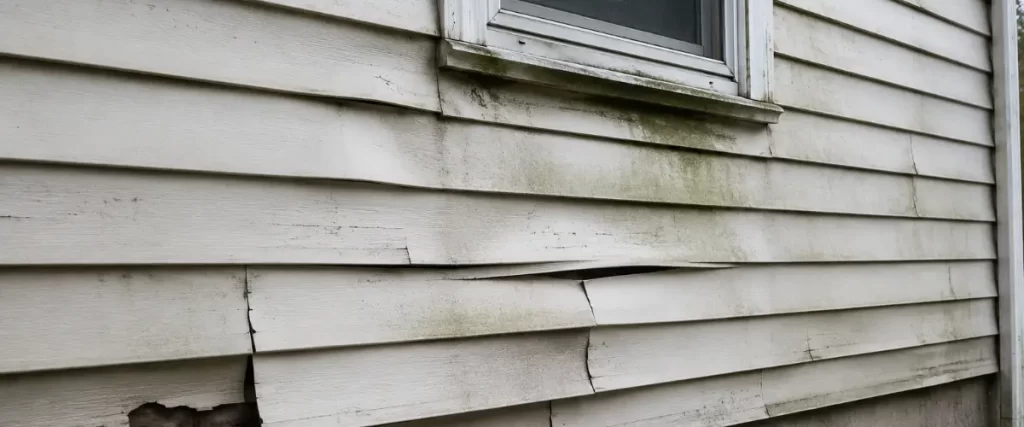
Telltale Signs It Is Done
Some signs are loud, others quiet. A walk around the house once a season catches most.
- Warping, buckling, or panels pulling away from the wall
- Soft spots in wood when you press with a finger
- Mold growth or dark streaks across shaded sides
- Bubbling or peeling paint that returns within a year
- Cracks running with the grain or across multiple panels
- Higher cooling costs and drafts inside, which signal water or air infiltration
- Rotted trim around windows, doors, or corner boards
Two or three of those? Time for a professional assessment. Five or more, and full replacement beats patchwork.
Easy Ways to Add Years
Routine maintenance does not double the lifespan, but it slows the slide.
- Power wash every two years, low-pressure setting
- Repaint or reseal wood every 5 to 7 years
- Caulk gaps around windows, doors, and trim every spring
- Trim back shrubs and trees that scrape panels in wind
- Replace cracked panels promptly to stop water infiltration
- Schedule a professional inspection every 5 years, sooner after major storms
If the same storm damaged both your roof and siding, our storm damage repair team handles both in one visit.
FAQ
Which siding lasts the longest without much upkeep? Brick and fiber cement. Both go decades with minimal upkeep, though fiber cement still needs paint every 12 to 15 years.
Does insulated vinyl really save on energy bills? Yes. Continuous insulation behind the panels reduces thermal bridging, which trims heating and cooling costs in the right climate.
Is wood siding worth the maintenance? For the right home, absolutely. Natural wood pairs with certain architectural styles in a way no other material matches.
Can I just replace the damaged sections? Sometimes. If the rest of the exterior is in good shape, partial replacement works. Past 75 percent of typical lifespan, full replacement is smarter.
Hand the Whole Thing to Us
Reading material guides, lifespan tables, and maintenance checklists is one approach. Walking your house, comparing fiber cement to insulated vinyl, and pricing it all out is another. We have done it on hundreds of New Jersey homes.
Our siding services can help you compare material lifespan, maintenance, insulation, and replacement timing before you commit to a project.
Call us at (732) 888-3892 or message us here, and we will set up a free walkthrough.
For the full picture on materials, timeline, and pricing, our siding installation page lays it out.