
A roof leak under solar panels almost always traces back to where the system meets the roof: the mounting points, flashing, and holes drilled for racking. The panels themselves rarely cause leaks. Sloppy installation does. Fixing it means lifting the affected panels, repairing the roof underneath, and re-flashing every penetration before the array goes back up.
If you have noticed water stains on a ceiling, dampness in the attic, or a musty smell after heavy rain, your solar panel installation is the place to start.
Common Causes of Roof Leaks Under Solar Panels
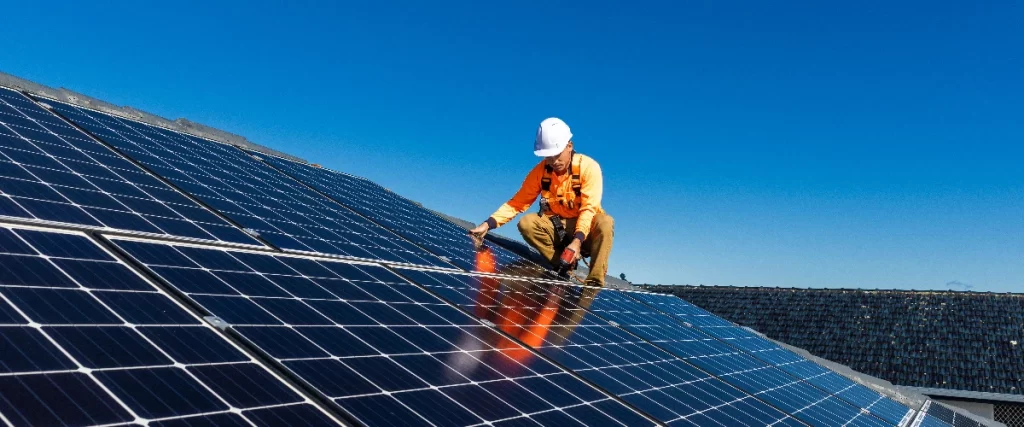
Leaks under solar panels usually come from a short list of problem areas. The table below shows what is usually going on and what fixing it actually requires.
| Cause | Issue | Fix |
| Improperly sealed mounts | Sealant fails around bolts | Re-flash and re-seal |
| Cracked flashing | Old flashing leaks | Replace flashing |
| Damaged shingles under panels | Shingles cracked or worn | Lift panels, replace shingles |
| Old roof beneath array | Roof past life when panels went up | Full re-roof |
| Cracked pipe boots | Rubber dries and cracks | Replace boots |
The thread tying these together is workmanship. Reputable solar installers treat each mount as a roof penetration deserving real flashing, like a chimney. Inexperienced installers cut corners, and that is where leaks start.
How a Solar Panel Leak Actually Gets Fixed
Fixing a roof leak under panels is not the same as a regular roof repair. There is a sequence to it.
- Step one: A roofing contractor removes the affected panels
- Step two: The deck and shingles underneath get inspected for water damage, mold, or rot
- Step three: Damaged shingles, cracked flashing, and worn pipe boots get replaced with materials that match the existing roof system
- Step four: Fresh flashing and sealant go in around every mounting point
- Step five: Panels go back on, then the system is tested under heavy rain
Removing panels and putting them back is delicate. Cables snap, modules crack, and panel mounts must come off and back on without enlarging the original holes. Piecemeal repairs by handymen often make things worse.
If you want a deeper look at standard roof repair work outside of solar, our service page covers the basics.
Before Panels Go Back On, Confirm the Roof Repair Scope
Once panels are lifted, the roof underneath needs a real inspection before the array is reinstalled. A roofer should check the mounts, flashing, shingles, pipe boots, attic staining, wet insulation, and roof decking so the repair quote covers the actual leak source.
This is where pricing can change. If the issue is limited to a mount seal or flashing detail, the repair may stay small. If shingles are cracked, decking is soft, or multiple penetrations need new flashing, that needs to be quoted before the solar system goes back on.
Braga Brothers Roofing can inspect the roof side of the leak, document what needs repair, and give you a clear roof repair quote. If water is actively coming in, start with emergency roof repair.
Need the roof checked before panels go back on? Call Braga Brothers Roofing at (732) 888-3892 or request a quote online.
Catching It Before It Spreads
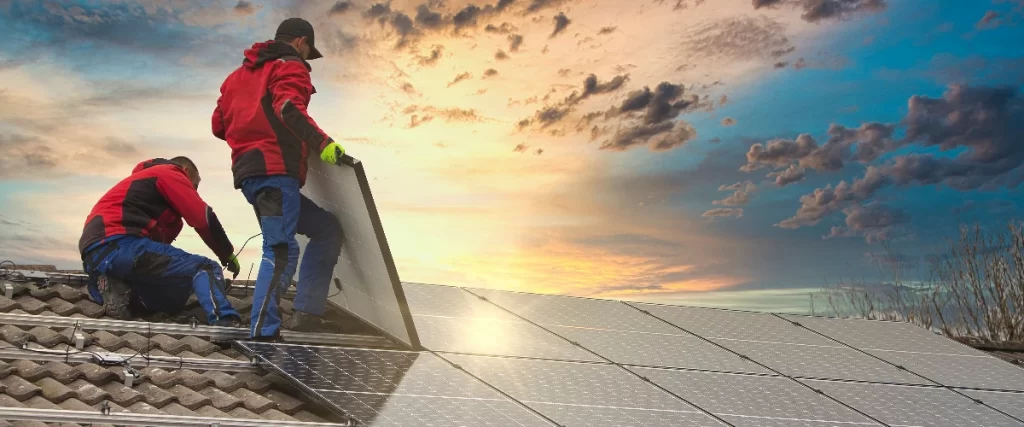
Water sitting on a roof gets expensive fast. The U.S. Energy Information Administration reports that solar accounted for roughly 6 percent of U.S. electricity generation in early 2026, meaning lots of homeowners now have arrays on roofs they no longer think about. That is when leaks turn ugly.
Walk through your house once a season and look for:
- Fresh water stains on ceilings under the array
- Mold growth or musty smells in the attic
- Dripping during heavy rain
- Sagging insulation directly under panels
- Visible damage on shingles spotted from a window above
A roofing professional should inspect any roof carrying panels every two years. Catching problems quickly keeps a small repair from becoming a ceiling tear-out.
Preventing Leaks From Day One
Most solar panels roof leaks are preventable, and prevention starts before the first panel mount is drilled into your shingles. ENERGY STAR’s guidance on rooftop solar says replace your roof first if it is near the end of its life, so you are not strapping a thirty-year solar system to a fifteen-year roof.
Before installing solar panels, run through this checklist:
- Get a professional roofing contractor to assess your roof’s condition, separate from the solar company
- Replace shingles within five years of needing it
- Confirm the solar installer offers a workmanship warranty of ten years or longer
- Ask which mounting hardware they use and how they flash each penetration
- Keep your roof warranty handy, some manufacturers void coverage if an unauthorized solar installer drills into the deck
An independent inspection, paid by you, after the install gives you a paper trail if something goes wrong later. It costs a few hundred dollars and pays for itself the first time water tries to sneak in.
If you want to know how shingles affect panel installation, our breakdown on what roof shingles are made of covers each material.
When the Installer Caused the Damage
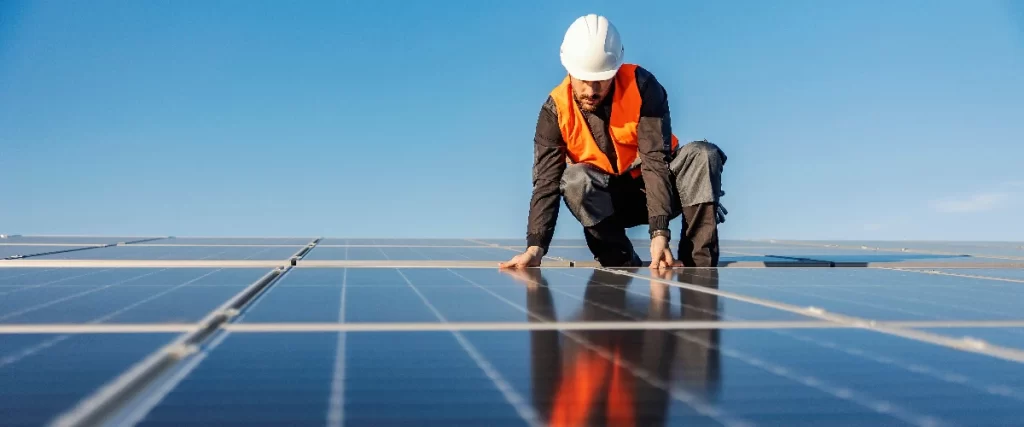
If poor workmanship caused the leak, your solar installer is on the hook through their workmanship warranty. Pull the install report, damage photos, and an independent assessment before contacting the company. Homeowner’s insurance sometimes covers water damage to the home interior even when it skips the original install flaw, and legal remedies exist when an installer refuses to fix what they caused. Document everything.
Who Should You Call?
In many cases, the solar company needs to remove and reinstall the panels, while a roofing contractor repairs the leak underneath. The important part is making sure the roof repair and solar reinstall are coordinated so the same penetration does not leak again.
FAQ
Do solar panels damage shingles? Properly installed panels are extremely rare causes of damage. Shoddy workmanship, like nailing into a worn shingle or skipping flashing, does the harm.
Can I fix the leak without removing panels? Almost never. The leak sits under the array, and getting to it without removing panels risks cracked modules and a voided warranty.
Will my homeowner’s insurance cover this? Sometimes. Insurance usually covers water damage to your home interior, not the original install flaw.
Do solar panels really last thirty years? Most carry a 25 to 30 year production warranty. The mounting hardware, flashing, and sealants underneath do not.
Skip the Headache, Call the Pros
Reading through causes, fix steps, and warranty fights is one thing. Doing it on your own roof while water keeps finding new ways inside is another. Our crew handles solar-panel-related repairs across New Jersey, lifts the panels safely, fixes the roof, and puts everything back so the leak stays gone.
Call us at (732) 888-3892 or message us here, and we will sort the inspection and the fix.
If your roof under the panels is showing its age, our roof installation page covers what a fresh start looks like.